







This post may contain affiliate links. Please read my disclosure policy.
In This Article Show
Your undertone is the quiet color living under your skin, warm, cool or somewhere between, and it does not change with a tan, a new hair color or a birthday. It is the reason one woman glows in camel and fades in gray, while her sister is the exact opposite. After fifty, when skin and hair soften, dressing against your undertone shows faster, which is why finding it honestly is the single most useful style skill you can learn.
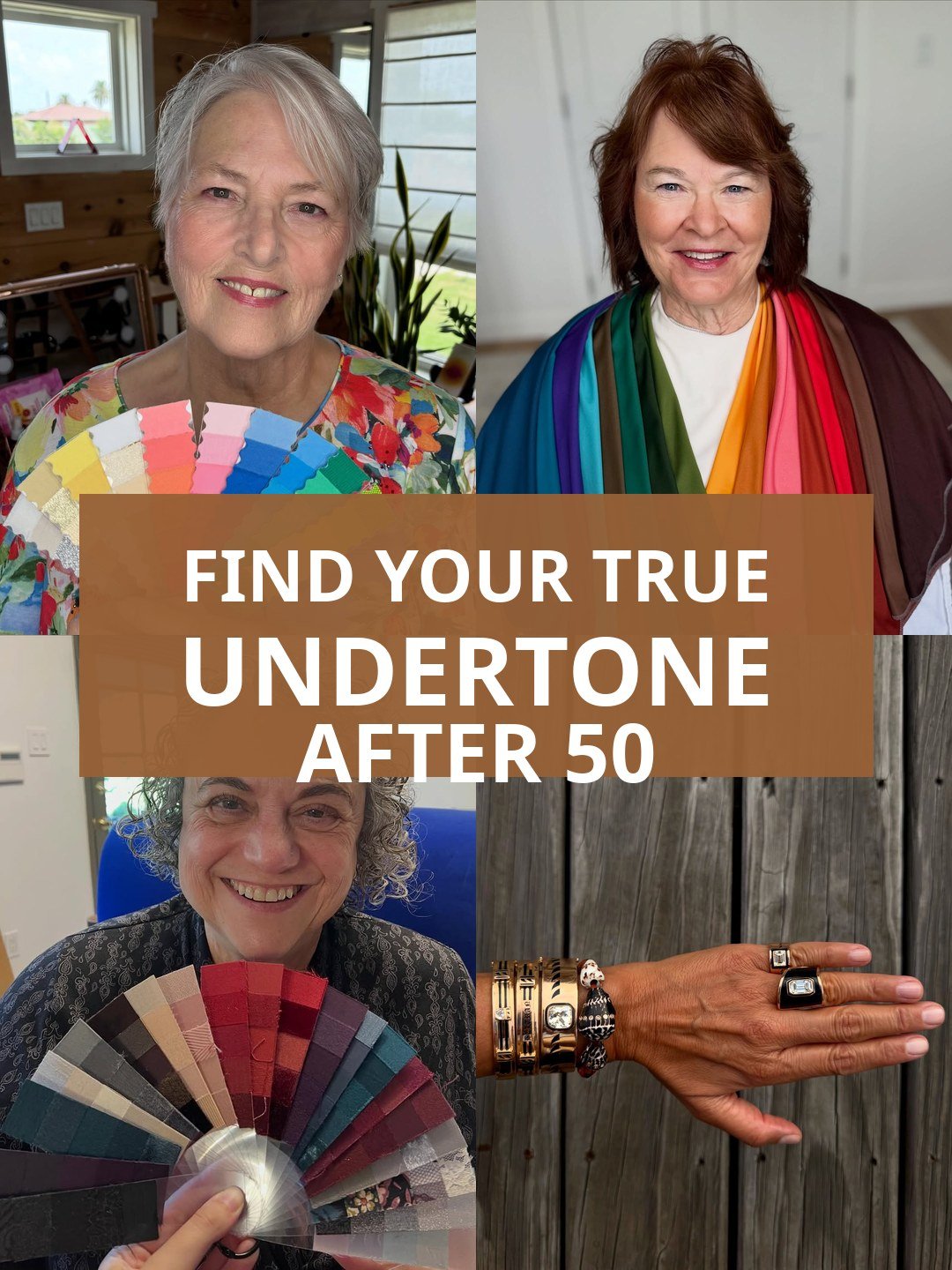
You do not need a salon appointment or an expensive consultation. The ten tests in this guide are the same checks professional color analysts start with, adapted for your own mirror, your own daylight and your own closet. Every photo shows a real woman over fifty mid test, draping fabrics, holding swatch fans or comparing metals, so you can copy exactly what she is doing.
Work through the tests in order and keep a simple score. Most women find that seven or eight answers point the same way, and that majority is your undertone. At the end, the results section translates your undertone into your color season, Spring, Summer, Autumn or Winter, because undertone is the door and the season is the whole house.
Short on time? Do tests one, two and six today, the vein check, the jewelry test and the drape test. Those three together settle the question for most women, and the quick picks below gather the few tools that make all ten tests easier.
Quick Picks: Tools That Make Testing Easy
- Best draping help: an at home color analysis draping kit with face frame drapes for all 12 seasons
- Best shopping companion: a season color swatch keychain to carry your palette into every store
- Best jewelry test kit: a gold and silver hoop earrings set, so both metals are always on hand to compare
From Undertone to Color Season: Reading Your Results
- Mostly warm answers: gold wins, cream beats white, veins look greenish. Your season is Spring if your coloring is light and bright, Autumn if it is deep and rich.
- Mostly cool answers: silver wins, pure white beats cream, veins look blue or purple. Your season is Summer if your coloring is soft and light, Winter if it is deep or high contrast.
- Mixed answers, with both metals fine and neither white clearly better: you are likely neutral, and the soft seasons, Soft Summer and Soft Autumn, deserve a closer look.
- Gray or silver hair does not move your undertone, but it raises your contrast, so revisit your season if your old colors suddenly feel too soft.
- When mini tests disagree, the drape test in idea six outranks them all, because it shows whole colors against your whole face.
1. The Wrist Vein Check, the Famous First Clue

Turn your inner wrist to daylight, never bathroom light, and look at the veins. Veins that read blue or purple point to a cool undertone, veins that read green point to warm, because you are seeing the vein through warm, yellow based skin. A mix of both, or veins you honestly cannot name, suggests neutral. Treat this as a first clue only. Veins can be shy on deeper skin and after fifty the wrist skin itself thins, so let this test open the conversation rather than close it, exactly as this close up reminds us.
Best for: A starting clue for light and medium skin; always confirm it with the jewelry and drape tests before you trust it.
2. The Gold vs Silver Jewelry Test
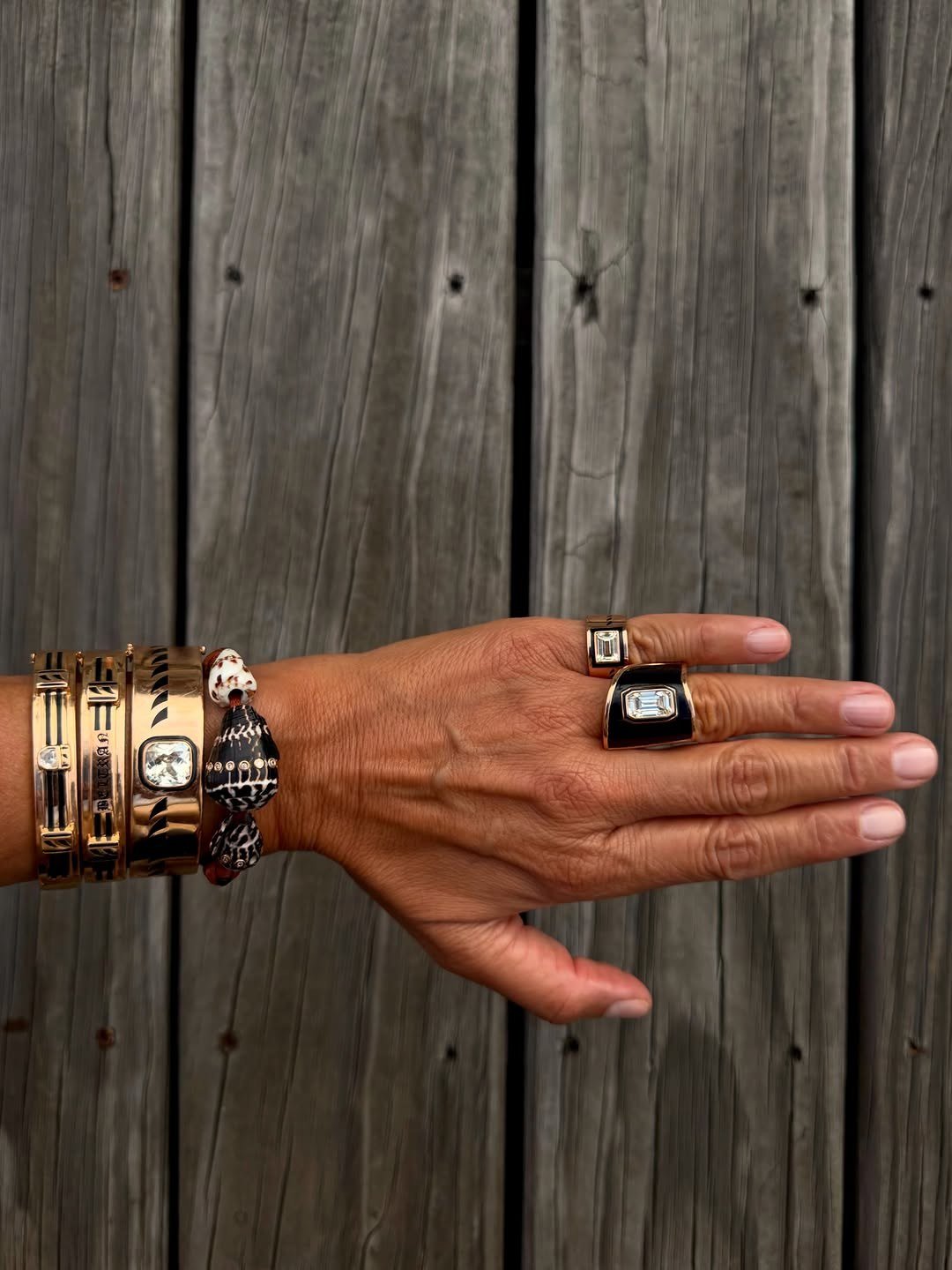
Hold a piece of gold jewelry against the back of your hand or beside your face, then a piece of silver, in the same daylight. One metal will make your skin look clearer and more awake, the other will make it look a little gray, sallow or tired. Gold harmony means warm undertone, silver harmony means cool, and both looking fine means neutral. A mature hand like this one, wearing gold that clearly loves her skin, shows how honest the test is when the match is right.
Best for: The quickest reliable test if you own both metals; use plain, polished pieces rather than ornate ones, so the metal, not the design, does the talking.
3. The White vs Cream Fabric Test
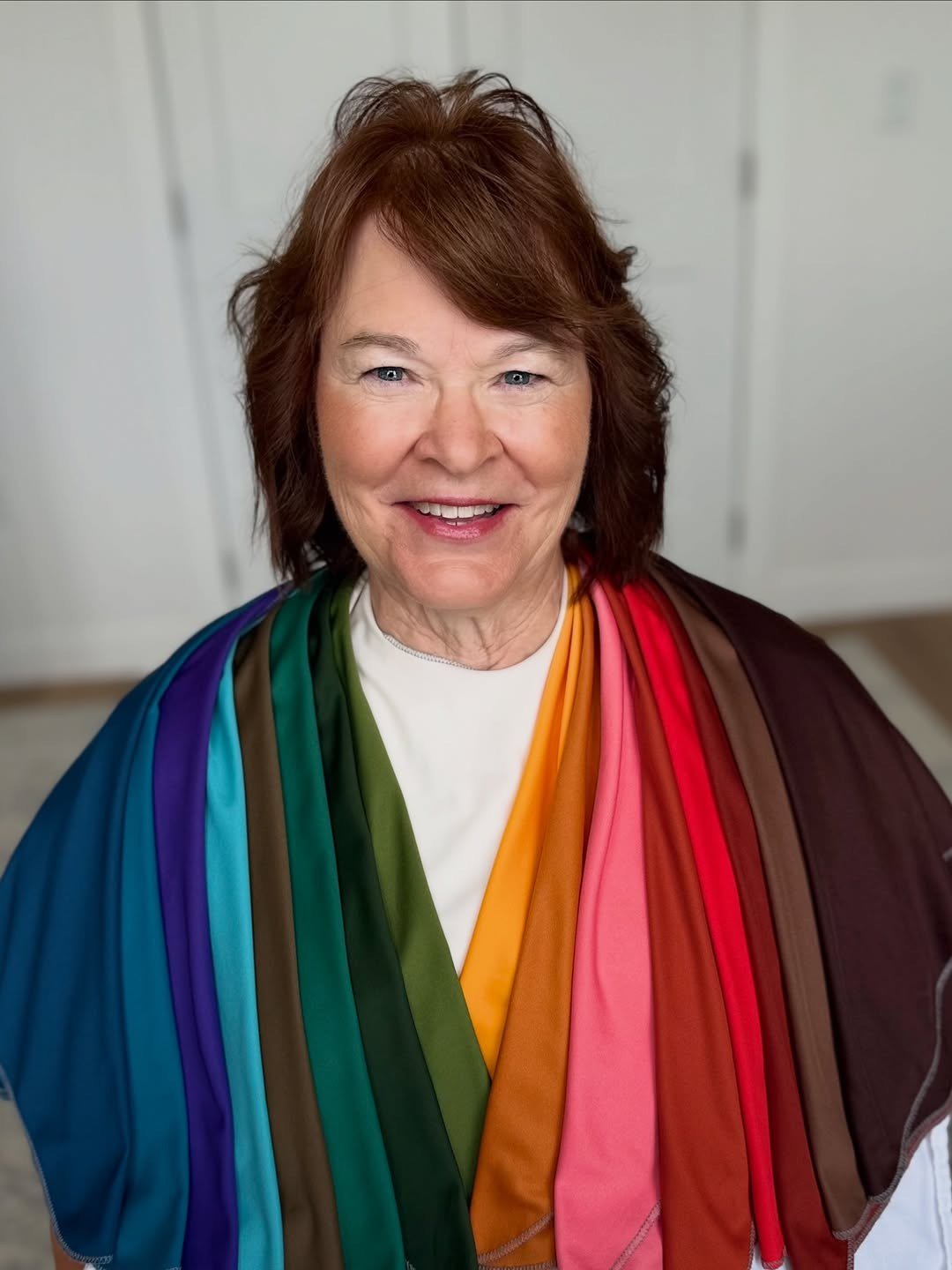
Hold pure white fabric under your chin, then cream or ivory, with a bare face in daylight. One will brighten you and smooth your skin on sight, the other will cast a shadow or a yellow tinge. Bright white winners are cool toned, cream winners are warm toned, and women who can wear both sit near neutral. This test is beloved by analysts because it needs no equipment and cannot be argued with, your face gives the verdict in seconds, as the draping sessions in these photos show.
Best for: The most convincing home test of all, and completely free; a white pillowcase and a cream towel work perfectly.
4. The Bare Face Daylight Check

Every test in this guide works twice as well on a bare face by a window, and this split portrait shows why. Makeup, even a little foundation and lipstick, lends your face colors that are not yours, and tests then measure the makeup instead of you. Scrub clean, tie hair back, stand facing daylight and look at the skin itself, its cast around the jaw and neck. Pink and rosy suggests cool, golden and peachy suggests warm. Five honest minutes like this save an hour of confused draping later.
Best for: The essential preparation for every other test; do it once, in morning light, before you judge any color at all.
5. The Foundation Shade Clue

Your makeup bag has been keeping undertone records for years. Think about the foundations that vanished into your skin and the ones that turned orange, pink or ashy at the jaw. Shades described as golden, honey and warm beige disappearing means warm undertone. Shades described as porcelain, rose and cool beige disappearing means cool. If both families have worked at different times, neutral is likely. The made up side of this portrait shows a true match, foundation you cannot see, and that invisibility is the clue to chase in your own drawer.
Best for: A free second opinion hiding in your makeup bag; the foundation that disappears is the one that knows your undertone.
6. The Full Drape Test, the One Analysts Trust

This is the test every mini test is imitating. Drape fabrics, scarves, towels, even shirts from your closet, one at a time under your chin in daylight, warm colors first, then cool. Watch your face, not the fabric. The right family smooths skin, clears the eyes and softens shadows. The wrong family deepens every line and drags the color out of your cheeks. This woman mid session, fan in hand, shows the setup exactly: bare face, good light, color after color, and patience.
Best for: The deciding test when others disagree, because it judges whole colors against your whole face at once.
7. Reading the Season Fan After Draping
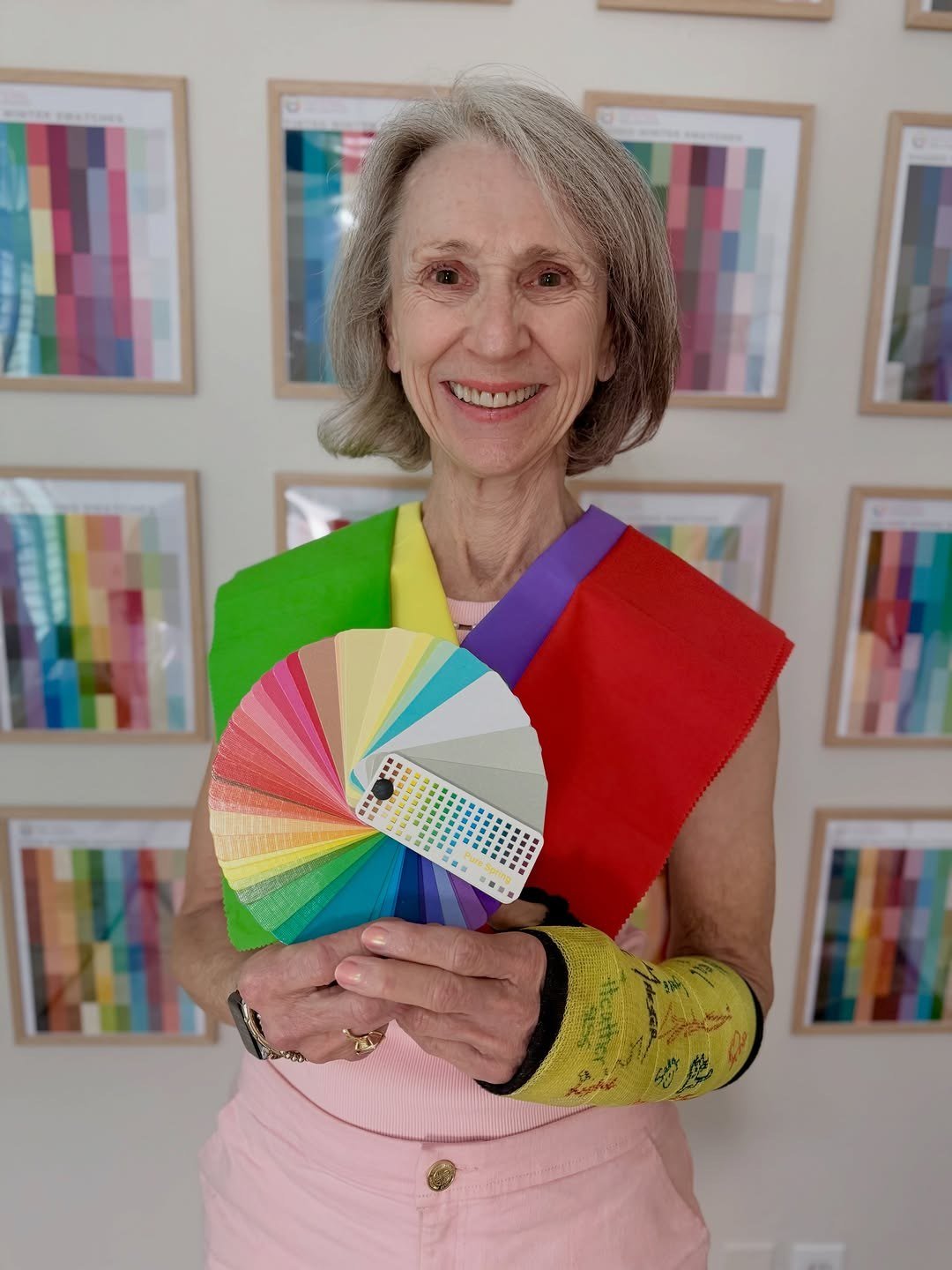
Once draping points to warm or cool, a season fan turns that answer into a shopping list. Hold the fan beside your face in daylight and flip slowly. In your true season, every swatch looks like it belongs to the same family as your skin, and your face stays the subject. In the wrong season, swatches shout over you or wash you out in turns. Analysts end sessions exactly this way, confirming the drape result against a full palette, and the fan she is holding is the same tool, warmth and all, in one hand.
Best for: The confirmation step that turns an undertone answer into a usable palette for clothes and makeup.
8. The Gray Hair Contrast Check
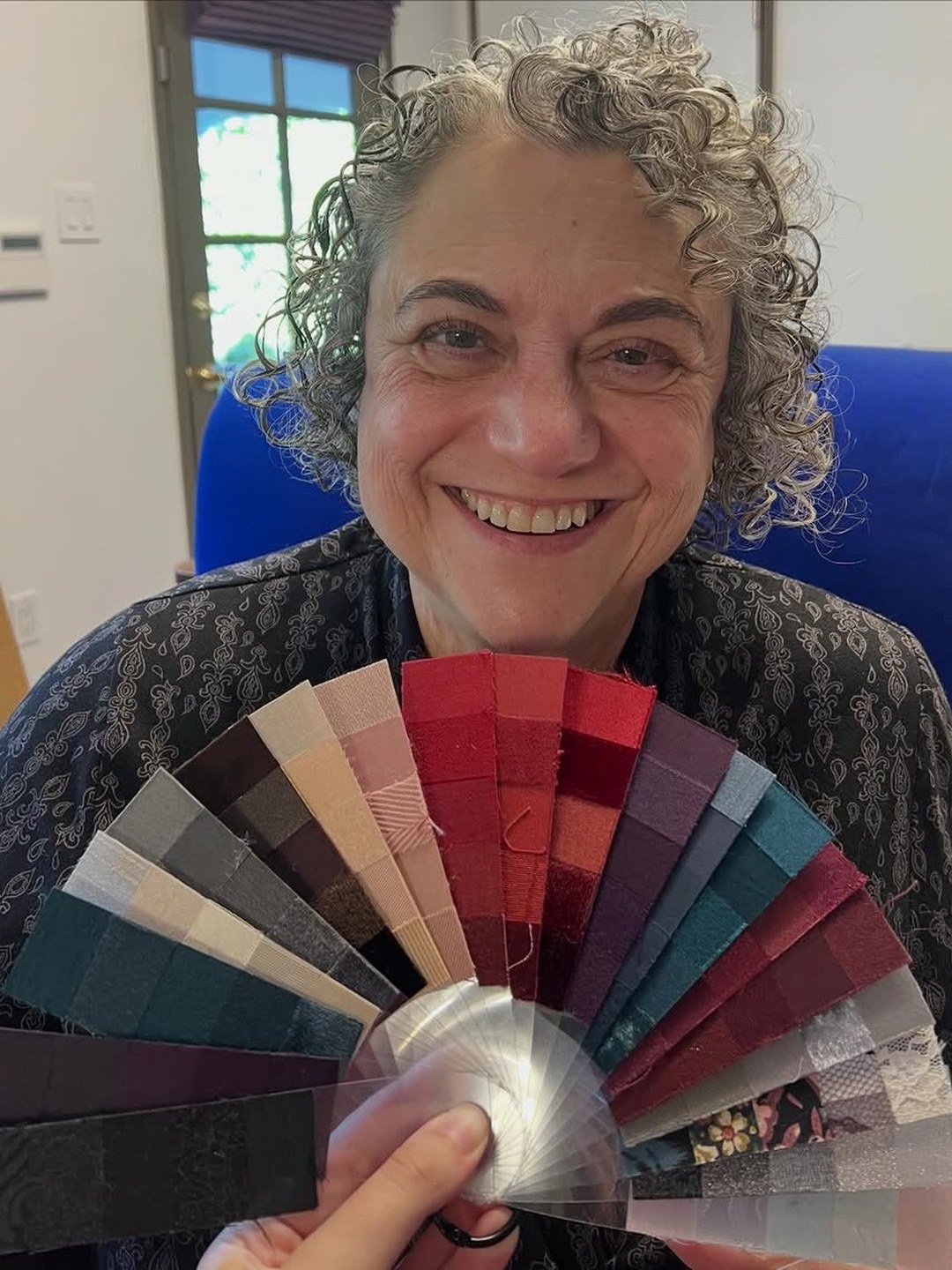
Gray hair fools many women into reclassifying themselves as cool, and this test separates hair from skin. Your undertone lives in the skin and does not gray, but silver hair raises the contrast around your face, which can shift your best season within your undertone family, a warm woman may move from Soft Autumn toward the clearer warmth of Spring, for example. Drape your strongest warm and cool colors again with your hair fully visible, as this gray haired woman is doing, and judge skin and hair together.
Best for: Essential after going gray; it explains why old favorite colors can stop working even though your undertone never changed.
9. The Warm Season Drape Check, Spring and Autumn

If your early tests point warm, this drape round separates the two warm seasons. Spring colors are light, clear and sunny, peach, coral, warm turquoise, golden yellow. Autumn colors are deep, rich and earthy, rust, olive, mustard, chocolate. Drape one family, then the other. Springs light up in the clear set and drown in the heavy one, Autumns glow in the rich set and look washed in the pale one. Her bright warm drapes and the fan in her hand show a warm verdict being confirmed in real time.
Best for: The warm family tiebreaker; it decides whether your warmth wants sunshine colors or harvest colors.
10. When Tests Disagree, Trust the Drape
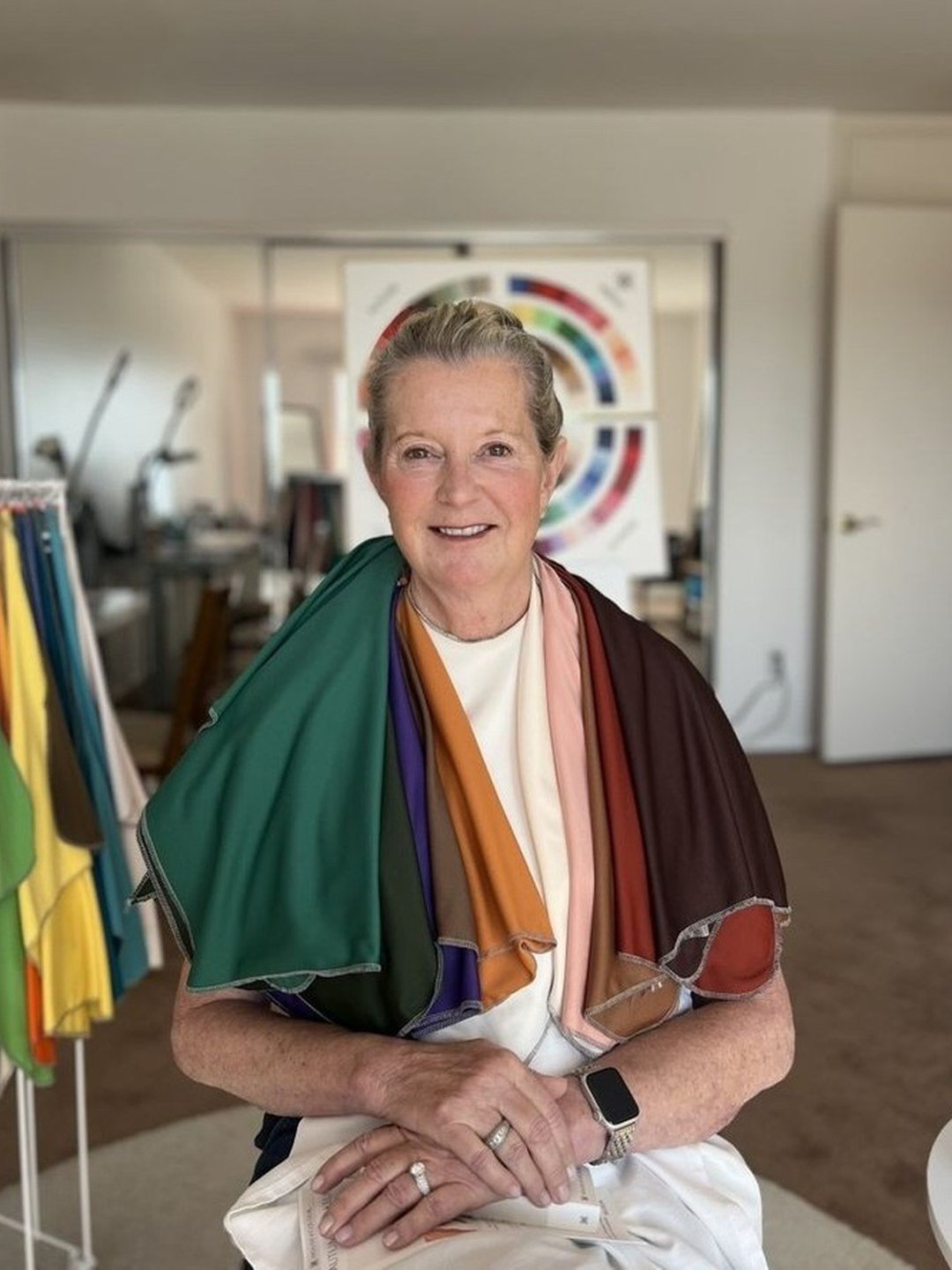
Some women finish the mini tests with a split vote, blue veins but gold friendly skin, white and cream both fine. That is not failure, it is information. Split results usually mean a neutral undertone, or a season sitting at a border, like Soft Summer leaning warm or Light Spring leaning cool. When in doubt, return to idea six and let full drapes against your full face cast the deciding vote, the way this session is doing, because draping is the only test that sees everything at once, skin, eyes, hair and light together.
Best for: The tiebreaker rule for neutral and borderline results; one careful draping session outranks five quick clues.
Frequently Asked Questions
What is an undertone, and how is it different from my skin color?
Your skin color, also called surface tone, is how light or deep your skin is, and it can change with sun, season and health. Your undertone is the permanent warm, cool or neutral cast underneath that surface, the golden or rosy quality that stays the same all your life. Two women with identical skin depth can have opposite undertones, which is why the same lipstick or sweater can flatter one and fail the other.
Can my undertone change after 50?
No. Undertone is set by your natural coloring and stays stable for life. What changes after fifty is everything around it, hair pigment, skin thickness, lip color and contrast, which is why colors that once worked can start to fail. The fix is rarely a new undertone. It is usually a new season balance within your same undertone family, tested with the gray hair contrast check in this guide.
How do I find my color season after 50 once I know my undertone?
Undertone gives you the family, warm or cool. Depth and contrast give you the season inside it. Warm and light with bright coloring points to Spring, warm and deep or muted points to Autumn. Cool and light or soft points to Summer, cool and deep or high contrast points to Winter. The drape checks in ideas six to nine walk you through exactly that sorting, one family at a time.
What if my tests give mixed answers?
Mixed answers are common and usually mean a neutral undertone, or a border season such as Soft Summer, Soft Autumn or Light Spring. Note which tests leaned which way, then let the full drape test decide, since it judges complete colors against your complete face. Many neutral women shop from both metal families and both white families happily, choosing by the softness of the color rather than its temperature.
Do these tests work on deep skin tones?
Yes, with two adjustments. The vein check can be hard to read on deep skin, so give more weight to the jewelry test, the white versus cream test and draping, which work beautifully on every depth of skin. Look for the same signs, one metal or fabric family making the skin look clearer, richer and more even, the other making it look ashy or dull. Gold versus silver beside deep skin is often the clearest verdict of all.
Does gray hair mean I am a Winter now?
Not automatically. Gray hair adds cool tones and contrast around your face, but your skin undertone stays whatever it has always been. Many warm women keep warm seasons after going gray and simply choose clearer or deeper versions of their warm colors. Re drape with your gray hair visible, as idea eight shows, and let your skin, not your hair, cast the vote.
Final Thoughts on How to Find Your True Color Undertone After 50
Ten small tests, one honest answer. Your undertone was never lost, it was only waiting for good light, a bare face and twenty patient minutes. Run the vein, jewelry and white versus cream checks for a first verdict, confirm it with the drape test, and then let the results section hand you your season.
From that day on, shopping changes. Colors stop being guesses, makeup shades explain themselves, and the shades that wash you out lose their power, because you finally know the warm or cool truth your skin has been telling all along. Keep your fan or your notes in your bag, trust the drape over every quick clue, and enjoy dressing in colors that were always yours.