






This post may contain affiliate links. Please read my disclosure policy.
In This Article Show
Thin hair after 50 is not a styling failure. Strands grow in finer, growth slows, and the crown and part are usually the first places that show it. The good news is that how your hair looks has just as much to do with technique as with thickness. These eleven tricks are the ones stylists reach for first, and every one of them works with the hair you already have.
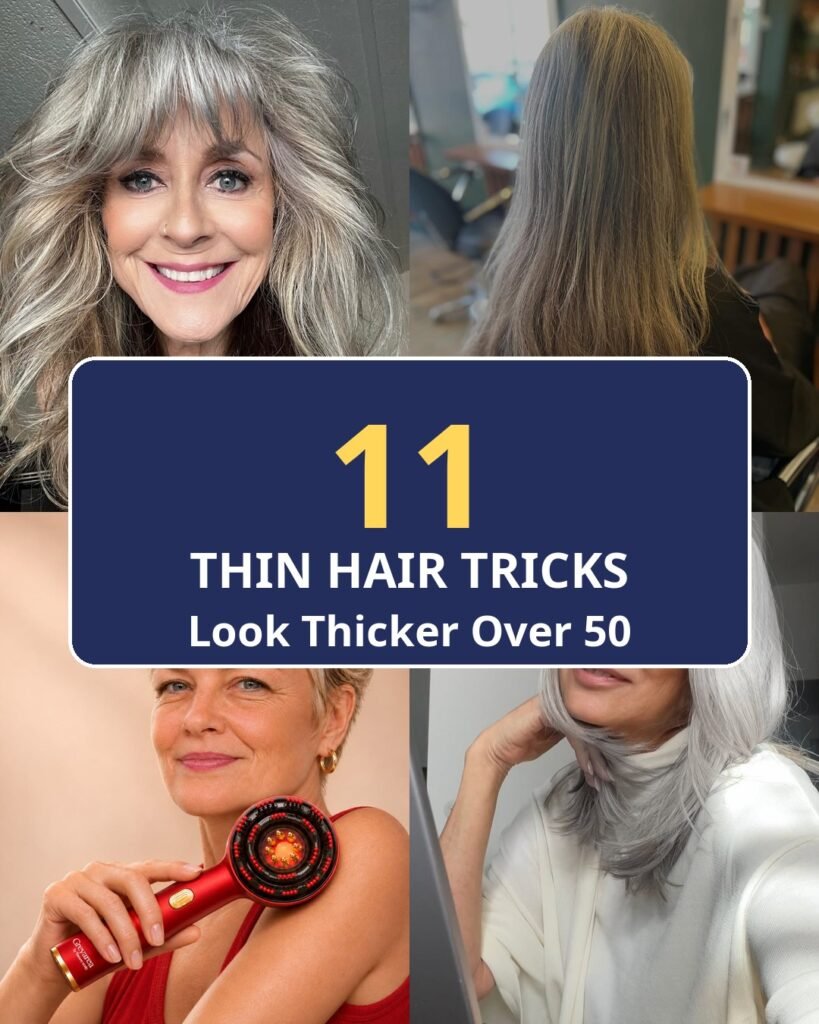
Start with the root tricks at the top of the list, because lift at the scalp changes everything below it. Then add the part and fiber tricks for the spots that need cover, and finish with the care habits that stop fine strands snapping off. None of this needs a salon visit, and most of it takes under five minutes.
Quick Picks
Three products do most of the heavy lifting in this routine.
- Kenra Volume Mousse Extra 17: a firm hold mousse that stays light, so fine hair gets body at the root without going stiff or sticky.
- COLOR WOW Raise the Root Thicken and Lift Spray: a root lift spray made for fine, flat hair; it props strands up off the scalp and the lift lasts all day.
- Batiste Dry Shampoo, Original: the classic clean scent formula that soaks up oil and adds grit and texture at the roots between washes.
The Five Minute Fuller Hair Routine
- Mousse on damp roots, then dry upside down for the first half of the dry.
- Flip your part to the opposite side once hair is dry.
- Tap root powder or fibers along the part where scalp shows through.
- A two minute scalp massage at night, then hair loose or a satin bonnet on.
1. Work Mousse Into Your Roots Before You Dry

Mousse only works if it lands where lift is needed, and that is the first inch of hair at the scalp. Work a golf ball size amount through damp roots with your fingertips, then comb the lengths once so no product pools there. Heavy creams and oils on fine hair pull it flat within the hour, while a mousse dries almost weightless and holds the root up off the scalp. If your hair feels crunchy, you used too much; half the amount and a slower dry fixes it.
Best for: fine hair that falls flat at the crown within an hour of styling.
Try this: apply mousse to damp roots only, then lift sections with your fingers while the dryer runs on medium heat.
2. Flip Your Part to the Other Side

Hair that lies in the same part every day gets trained flat, and the scalp along that line sees the most light, so it reads thinner than it is. Flip your part to the opposite side and the roots stand up in a new direction, which gives instant lift and moves the visible line to fresher, fuller hair. It feels strange for a day, and a little root powder along the new part settles it. Many women find the flip side becomes their better side within a week.
Best for: a part that has widened or a crown that always looks flat in photos.
Try this: flip the part after drying, mist the roots lightly with water if they resist, and let it set for ten minutes.
3. Dry Your Hair Upside Down

Gravity is free volume. Bend at the waist and dry with your head upside down until your hair is about eighty percent dry, aiming the airflow at the roots and scrunching the crown with your fingers. Roots that dry pointing up keep that direction when you stand back up, while roots dried hanging down stay down. Finish the last part upright so the surface lies smooth, and keep the dryer moving so fine strands do not scorch.
Best for: wash day hair that dries flat no matter what product you use.
Try this: rough dry upside down first, then flip up and smooth only the top layer with a brush.
4. Use Dry Shampoo on Clean Hair at Night

Dry shampoo works better before hair gets greasy, not after. Spray it at the roots on clean, dry hair before bed and it absorbs oil as it forms overnight, so you wake up with texture and lift already in place. Working it in with your fingertips in the morning removes any pale cast on darker hair. Used this way it also adds the slight grit that helps fine hair hold a style instead of slipping flat.
Best for: hair that looks oily and stringy by the second morning.
Try this: spray roots in sections before bed, sleep as usual, and brush through in the morning.
5. Tap Root Powder Along Your Part

Root touch up powders do double duty on fine hair. The tint fills in the contrast between hair and scalp along the part, which is what makes thinning so visible, and the powder itself adds grip so strands stand apart instead of clumping. Tap or brush it along the part and the front hairline, then blend the edges with a fingertip so there is no hard line. Choose a shade that matches your root color, not your lengths.
Best for: a widening part or scalp showing through at the front hairline.
Try this: apply powder after styling, not before, so heat and brushing do not move it around.
6. Keep Conditioner Off Your Roots

Conditioner is for the lengths and ends, full stop. On fine hair, conditioner at the roots coats the exact strands you need to lift, and no amount of mousse will undo that weight. Apply it from the ears down, leave it two or three minutes, and rinse well. Your ends get the slip and softness they need, your roots stay clean and light, and the whole head looks thicker because the top is not dragged down.
Best for: hair that feels soft yet always looks limp by midday.
Try this: keep conditioner below ear level, and use a clarifying wash once a week if roots still feel coated.
7. Add Dimension With Lighter Pieces Around Your Face

One flat shade from root to tip makes hair look like a solid sheet, and solid reads thin. Lighter pieces woven through, especially around the face and along the part, break the surface up so the eye sees depth and movement instead of scalp. On grey hair the same trick works in reverse, with a few darker lowlights adding shadow back in. Dimension does not grow hair, but it is the closest thing to instant thickness a color appointment can give.
Best for: hair colored one single shade, or greys that have gone all one tone.
Try this: ask your stylist for fine highlights or lowlights placed where your part and hairline show most.
8. Massage Your Scalp for Two Minutes a Day

A healthy scalp grows the best hair your body can make, and massage is the simplest care there is. Two minutes a day with your fingertips, or a soft scalp brush in the shower, lifts away buildup so products and serums actually reach the skin. It also feels wonderful, which is why this is the habit women actually keep. A light scalp serum after washing, dotted along the part lines, keeps dry, flaky skin from making hair look dull and sparse.
Best for: a dry, tight or flaky scalp, and hair that sheds more than it used to.
Try this: massage in small circles while shampooing, and add serum to the part line on wash days.
9. Sleep on Satin to Stop Overnight Breakage
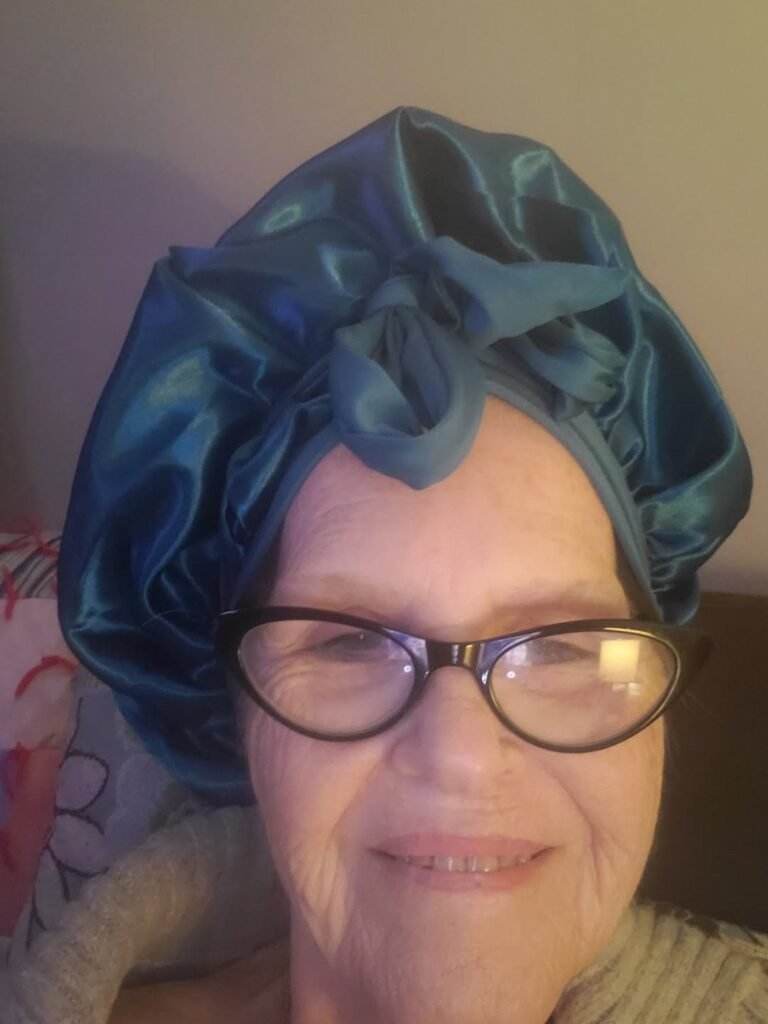
Fine hair breaks, and breakage is silent thinning. Cotton pillowcases grip strands all night, and every toss and turn files away at already fragile ends. A satin pillowcase or a satin bonnet lets hair glide instead, so you keep the length and density you have. Many women notice less morning frizz as a bonus, which means less brushing, and less breakage from that too.
Best for: ends that stay wispy and short no matter how long you grow your hair.
Try this: try a satin bonnet on wash nights and a satin pillowcase every night.
10. Fill a Widening Part With Hair Fibers

Hair building fibers are tiny keratin pieces that cling to your own strands and make each one read thicker, while filling the gaps along a part. Shake or spray them onto dry, styled hair where scalp shows, then pat very gently so they settle. A light mist of hairspray locks them in place through the day. Match the shade to your roots, and use less than you think; fibers are easy to add and hard to take away.
Best for: a part or crown spot that shows scalp in bright light and photos.
Try this: apply fibers last, after powder and spray, and check the result in daylight before you add more.
11. Smooth Your Ends Into One Clean Line
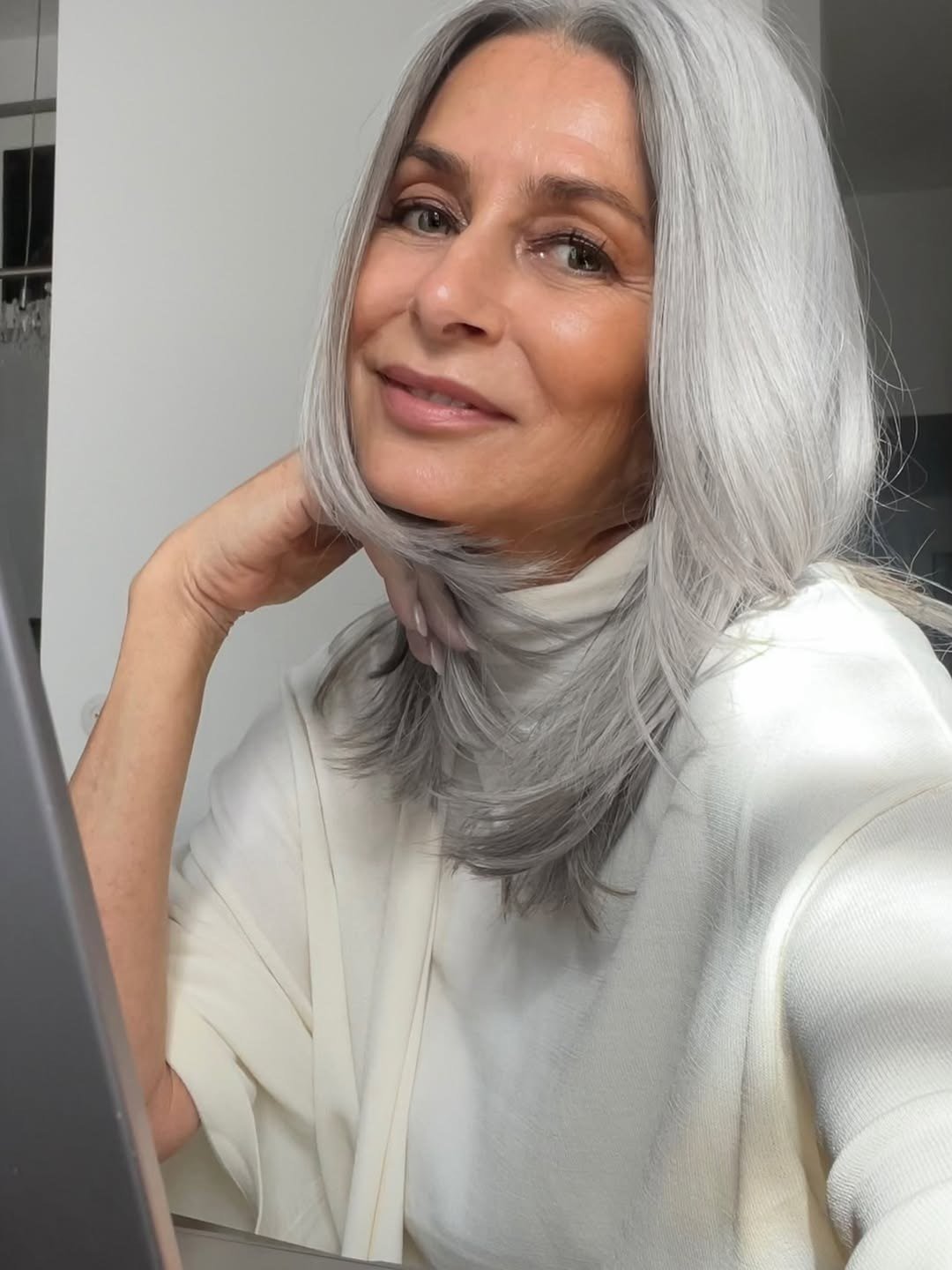
Wispy, see through ends undo all the work you did at the roots. When the bottom edge of your hair is smoothed into one clean, even line, the whole style reads denser, the way a hem makes fabric look heavier. Run a flat iron or a smoothing brush lightly over the last few inches only, keeping heat off the roots so you do not lose your lift. A tiny drop of serum pressed into the ends, nothing near the scalp, keeps the line polished.
Best for: lengths that look stringy and thin at the bottom even when roots look full.
Try this: straighten just the ends, then bend them under very slightly so the edge looks thick, not spiky.
Frequently Asked Questions
Can thin hair really look thicker without extensions?
Yes, up to a point. Lift at the roots, a flipped part, dimension in the color and fibers along the part change how light hits your hair, and that is most of what the eye reads as thickness. These tricks will not change how much hair you have, but they reliably change how much hair you appear to have.
Which trick works fastest?
Flipping your part. It takes ten seconds, costs nothing, and the lift is visible straight away because the roots stand in a new direction. Root powder along the new part is the quickest partner to it.
Will mousse weigh my fine hair down?
Not if it stays at the roots and you use less than you think. A golf ball size amount for the whole head is plenty for fine hair. Crunch or stickiness means too much product, so halve the amount before you give up on it.
How often should I wash thinning hair?
As often as your scalp needs it, usually every two to three days for fine hair. Oil makes fine strands clump and separate, which shows more scalp, so very long gaps between washes can make hair look thinner, not thicker. Dry shampoo at night stretches one extra day comfortably.
Do hair fibers look natural in daylight?
They do when the shade matches your roots and you use a light hand. Apply them to dry hair, pat them down, and check your part in a window before you leave. Too many fibers look matte and dusty, so build up slowly.
When should I see a doctor about thinning hair?
See your doctor if shedding is sudden, if you find bald patches, or if your scalp is red, sore or very itchy. Hormones, thyroid changes, low iron and some medicines can all thin hair after 50, and those causes need checking rather than styling around.
Final Thoughts on How to Make Thin Hair Look Thicker
Thicker looking hair is mostly a handful of small habits stacked together. Lift the roots, move the part, keep weight off the scalp, protect the ends you have, and use powder and fibers where light gives the game away. Pick two tricks this week, and add the rest as they become routine. Your hair does not need to be different hair to look fuller. It just needs to be handled like fine hair, on purpose.