





This post may contain affiliate links. Please read my disclosure policy.
In This Article Show
Cold air, indoor heating and endless hand washing make winter the hardest season of the year for nails. They dry out, peel at the tips, snap on coat buttons and leave cuticles rough enough to catch on every sweater. The good news is that winter nail care is mostly small habits done often, and none of them need a salon.
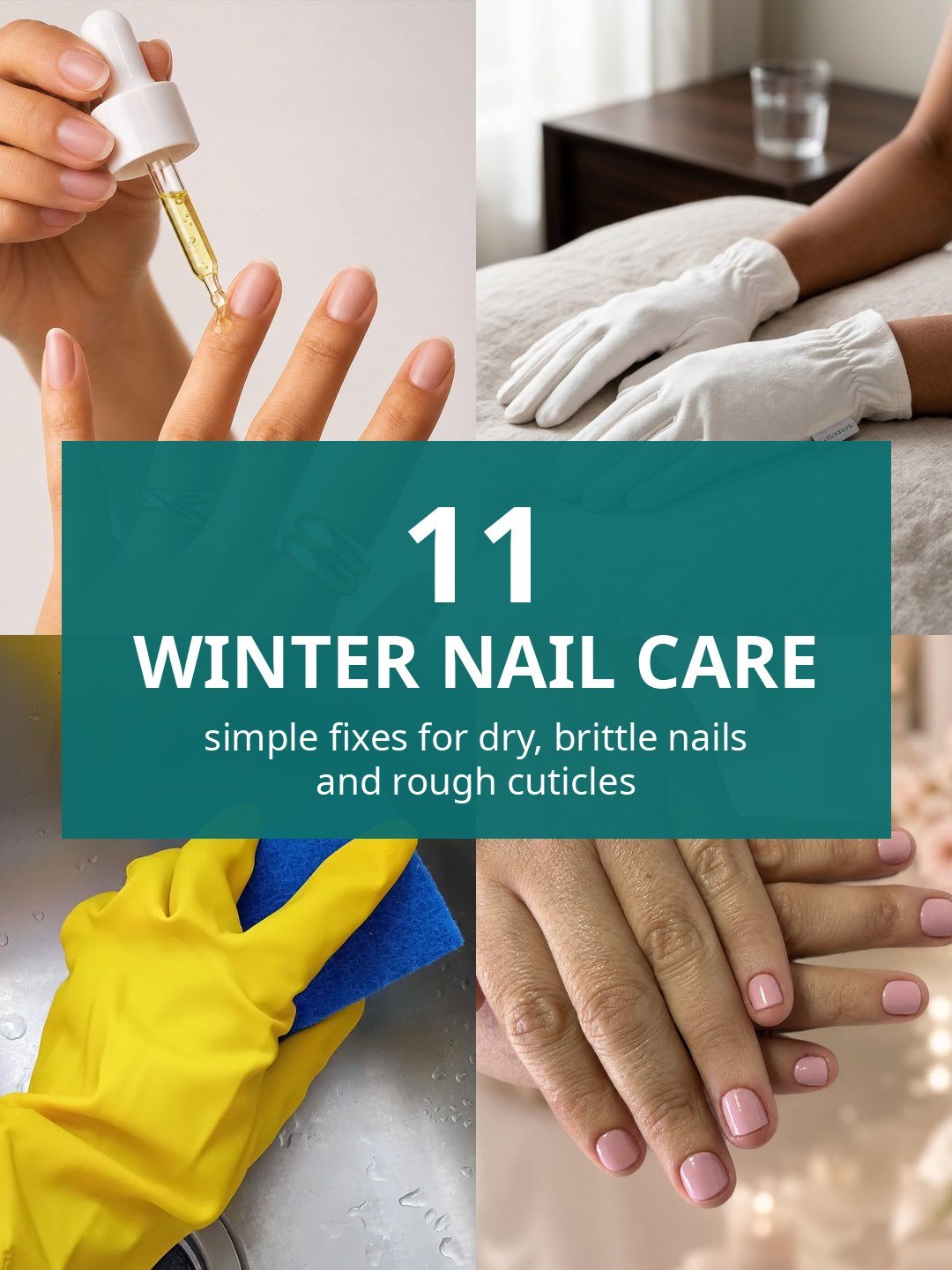
Every photo in this guide shows a real care moment, oil going on, cream being worked in and gloves doing quiet work, so you can copy the rhythm at home. Work through the eleven fixes in order and your nails should come out of winter stronger than they went in.
Short on time? Start with the quick picks below, then build the gentle weekly routine at the end. Nails grow slowly, so give any new habit two or three weeks before you judge it.
Quick Picks
- Best daily oil: Cuccio Naturale Milk and Honey cuticle oil, a light oil with a dropper that lives happily beside the sink
- Best rich cream: O’Keeffe’s Working Hands hand cream, a thick unscented cream made for very dry, cracked hands
- Best strengthener: a gentle clear strengthener treatment, one coat worn alone on bare nail days to shield weak tips
1. Oil Your Cuticles Twice a Day
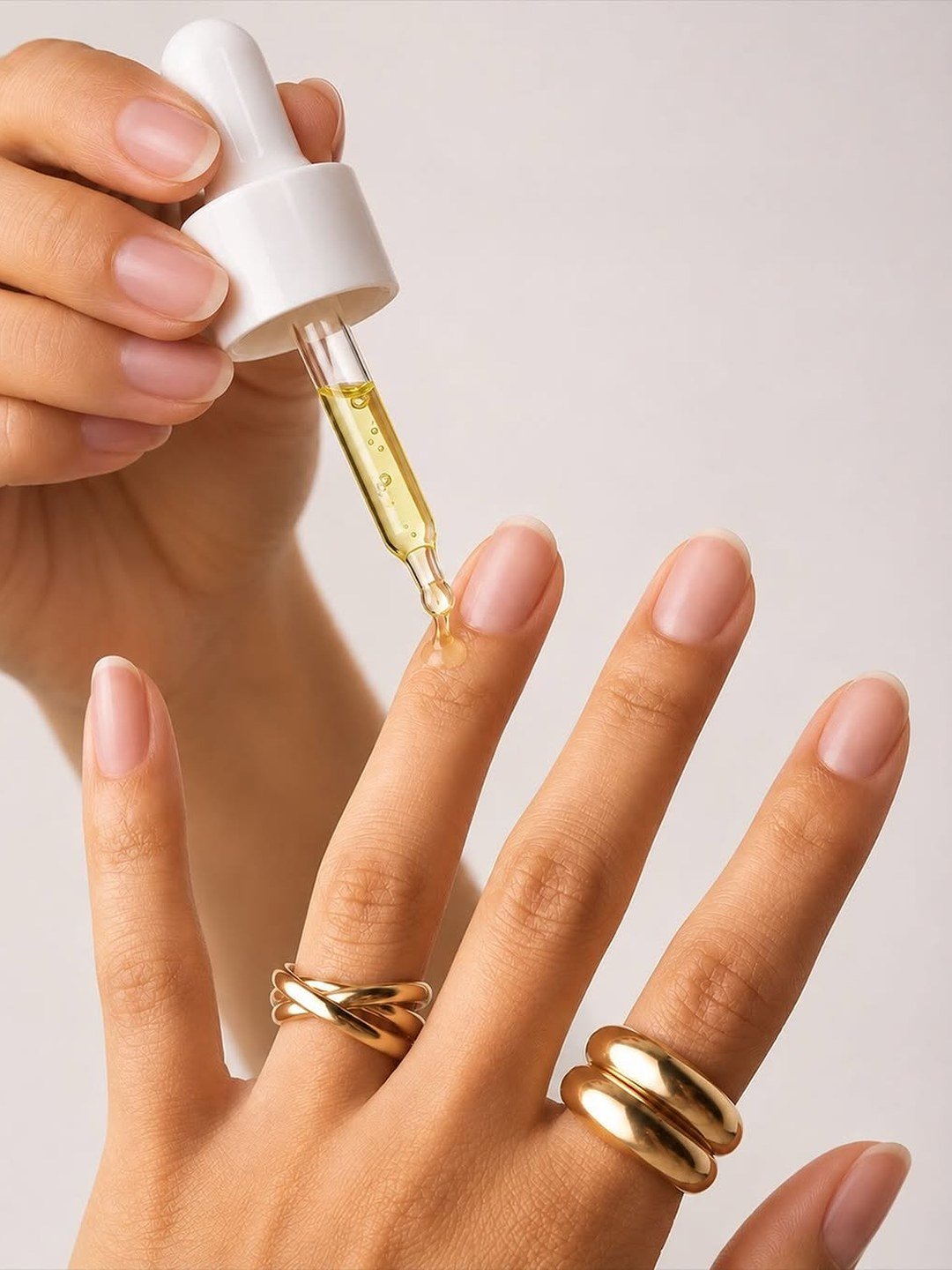
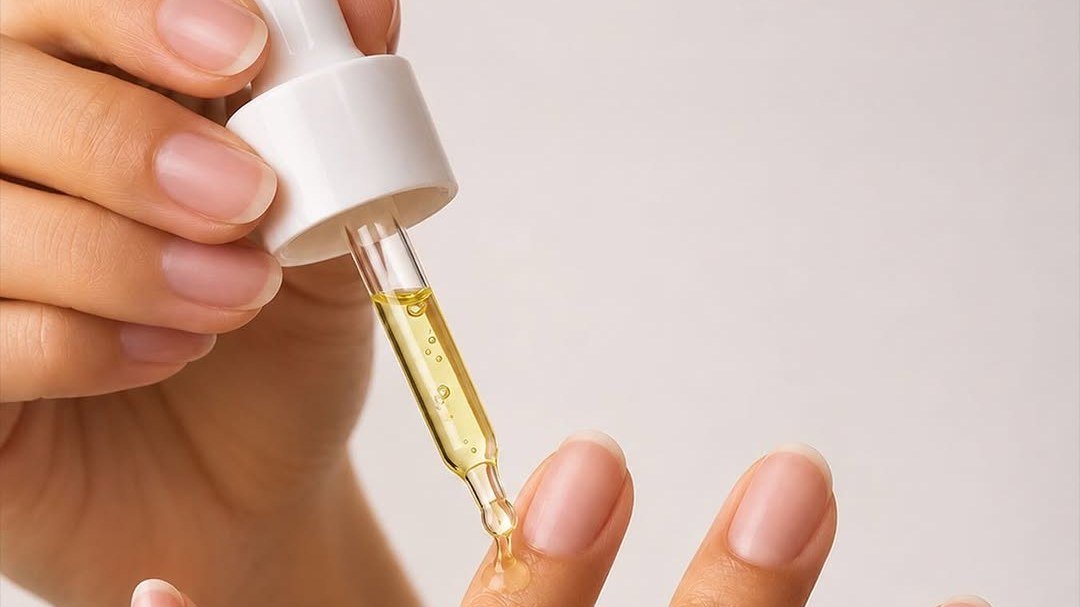
A dry nail is a stiff nail, and a stiff nail snaps instead of bending. Cuticle oil keeps the nail plate flexible and feeds the skin that protects the growing nail underneath. One small drop, shared across all five nails of one hand, is plenty. Morning after washing your hands and last thing at night is the rhythm that works, because those are the two moments your hands are clean and the oil can sit undisturbed.
Best for: Dry, peeling nails and cuticles that tear into sore hangnails.
Try this: Keep the bottle beside your toothbrush, so the habit pairs with one you never skip.
2. Put the Drop Right at the Cuticle
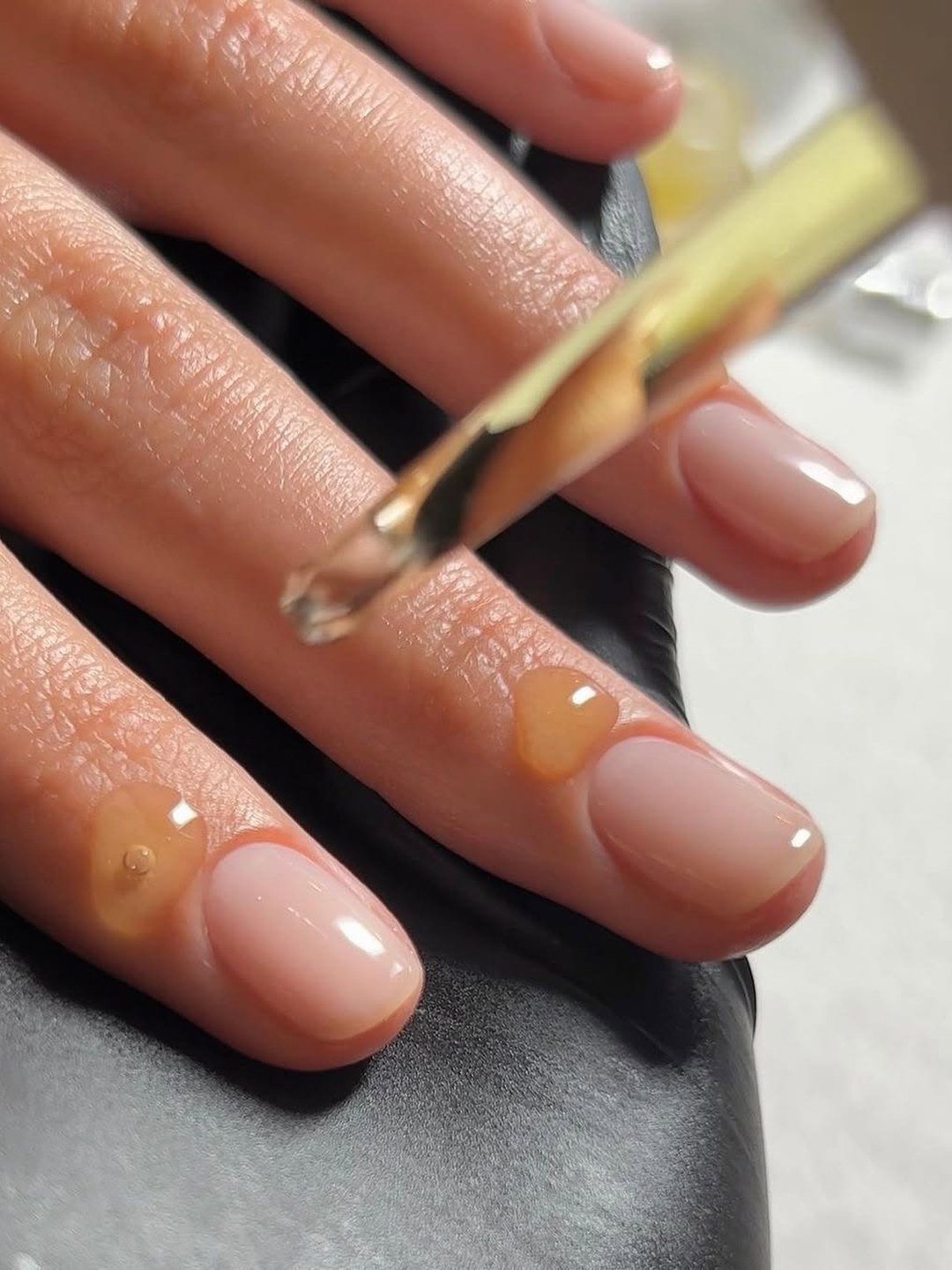
Where the oil lands matters as much as how often you use it. A drop placed at the base of each nail, then massaged in with slow small circles, reaches the cuticle and slips under the free edge where dryness starts. Give each hand a full minute of massage. The warmth of your fingers helps the oil spread thin and even, so nothing is wasted and nothing feels greasy.
Best for: Anyone whose oil seems to sit on top and never really help.
Try this: After the drop, pinch each fingertip gently for five seconds to press the oil in.
3. Soak Warm, Never Hot, Once a Week
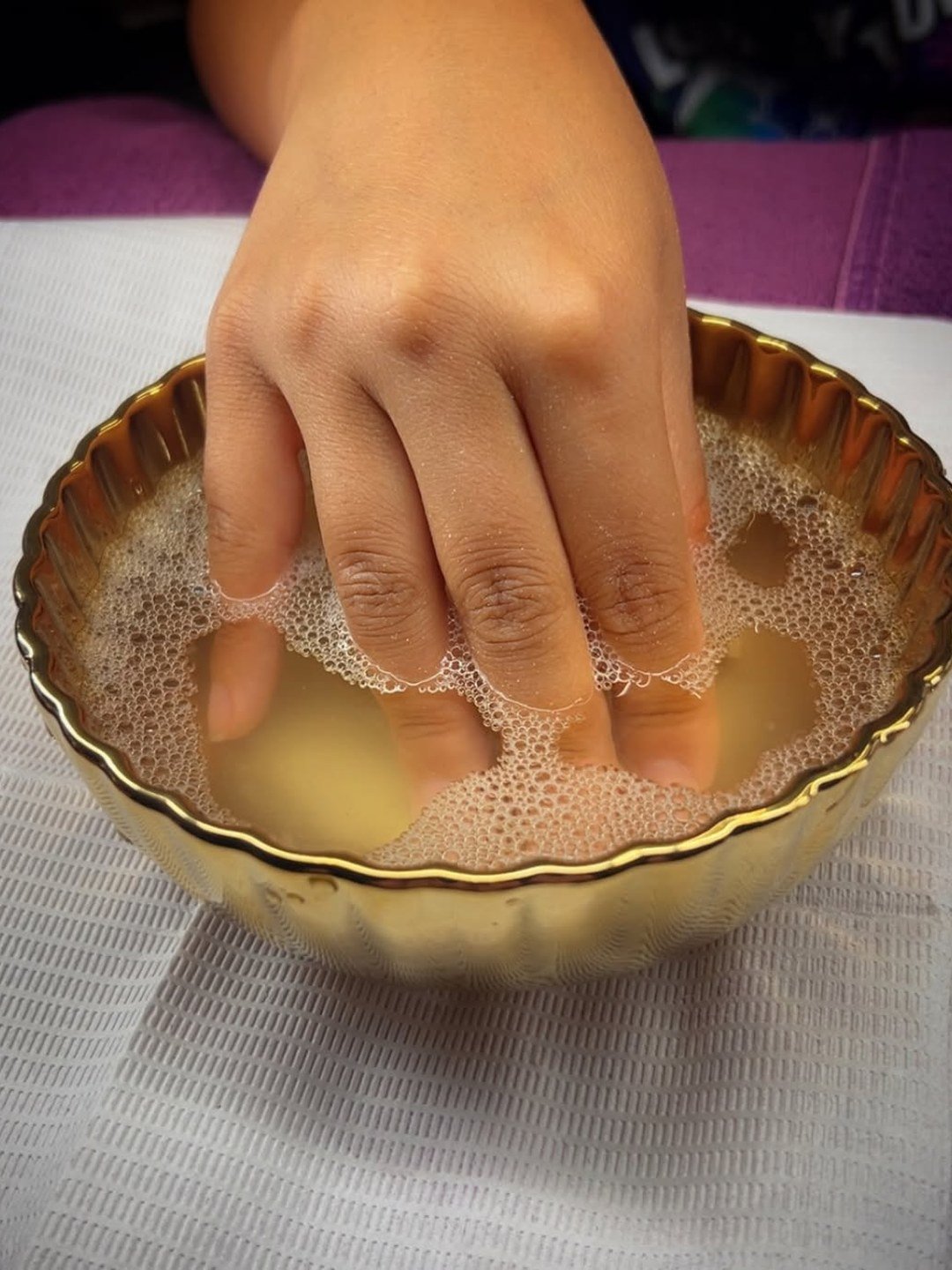
Once a week, give your fingertips five quiet minutes in warm water with a drop of gentle soap or bath oil. Warmth softens cuticles so they ease back without any force, and it lifts away the grime that gathers at the nail edge. Keep the water warm, never hot. Hot water strips natural oils from skin and nails alike and leaves the nail plate softer and weaker for hours afterwards.
Best for: Rough, stubborn cuticles and anyone tempted to cut them.
Try this: Soak right before your weekly file, then pat dry and oil while the skin is still slightly damp.
4. Work Rich Cream Over the Nails Too
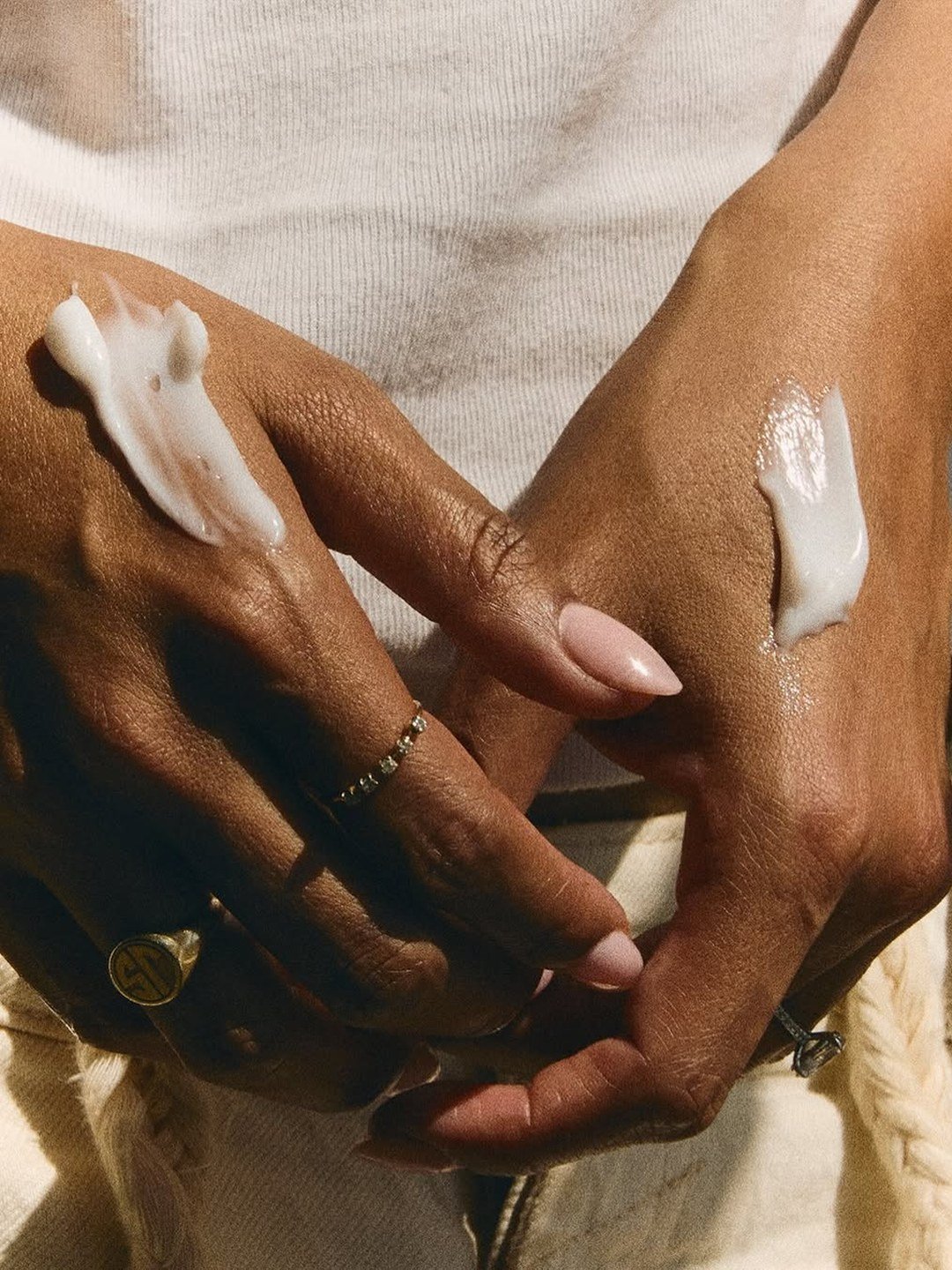
Most of us cream our palms and forget the nails completely. Turn your hands over and work a rich cream across the backs, over every nail and deep into each cuticle, because that is the skin winter dries first. Thick creams built on glycerin hold water in the skin far longer than thin lotions do. A pea size amount per hand is enough if you spread it slowly and let it sink in before you touch anything.
Best for: Hands that feel tight and papery again an hour after washing.
Try this: Use the back of one hand to spread cream over the other, so your palms stay clean for your phone.
5. Sleep in Cotton Gloves Twice a Week
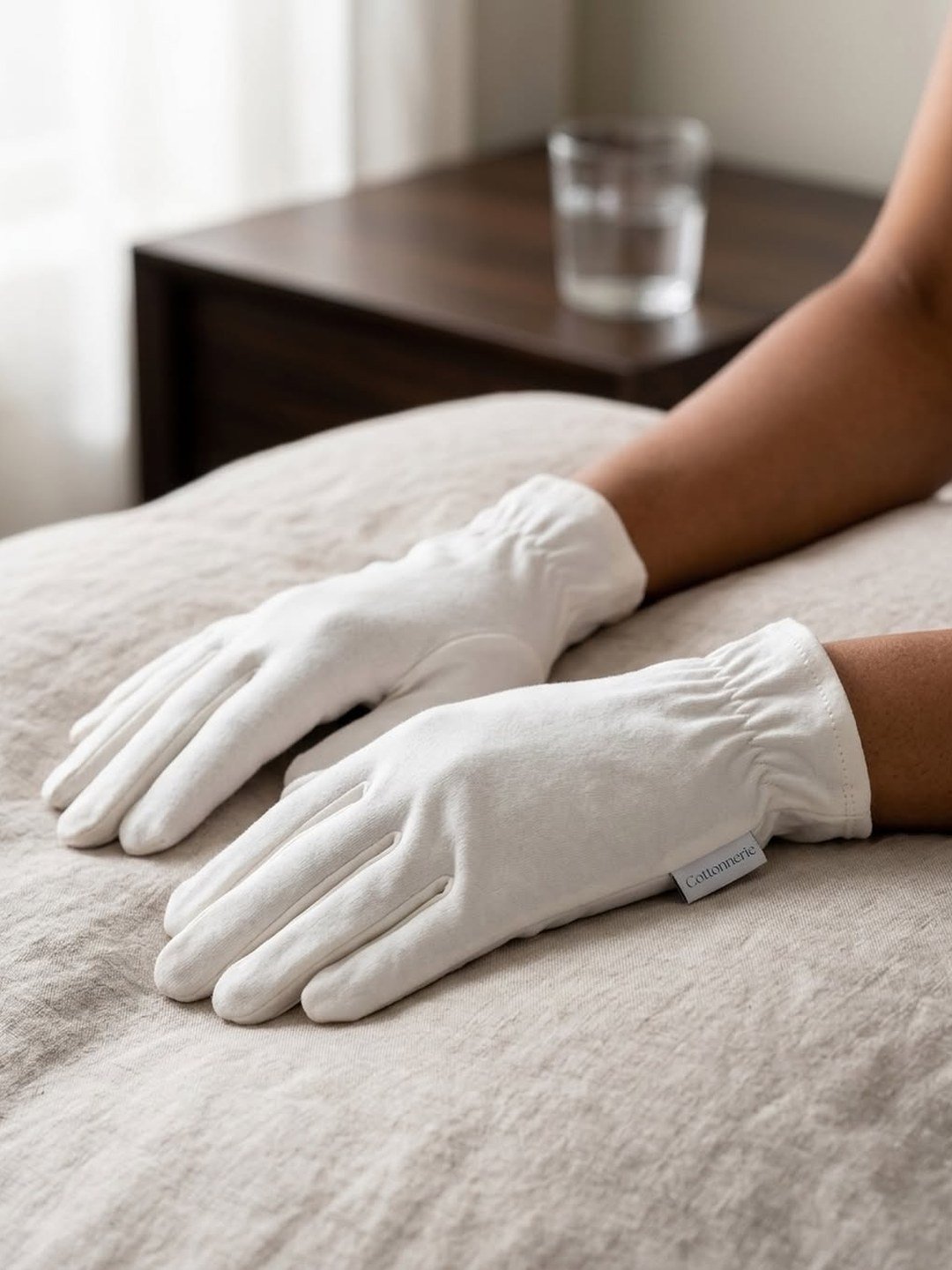
Cream plus cotton gloves turns an ordinary night of sleep into a treatment. The gloves hold gentle warmth against the skin and stop every bit of cream rubbing off on the sheets, so your hands get hours of steady moisture instead of minutes. Twice a week is enough for most people to feel cuticles soften and rough patches calm down. Thin cotton gloves wash and dry easily, so keep two pairs in rotation.
Best for: Cracked cuticles and hands that never seem to catch up in winter.
Try this: Oil first, cream second, gloves last, and keep the gloves on your pillow so you remember.
6. Glove Up for Every Wet Chore
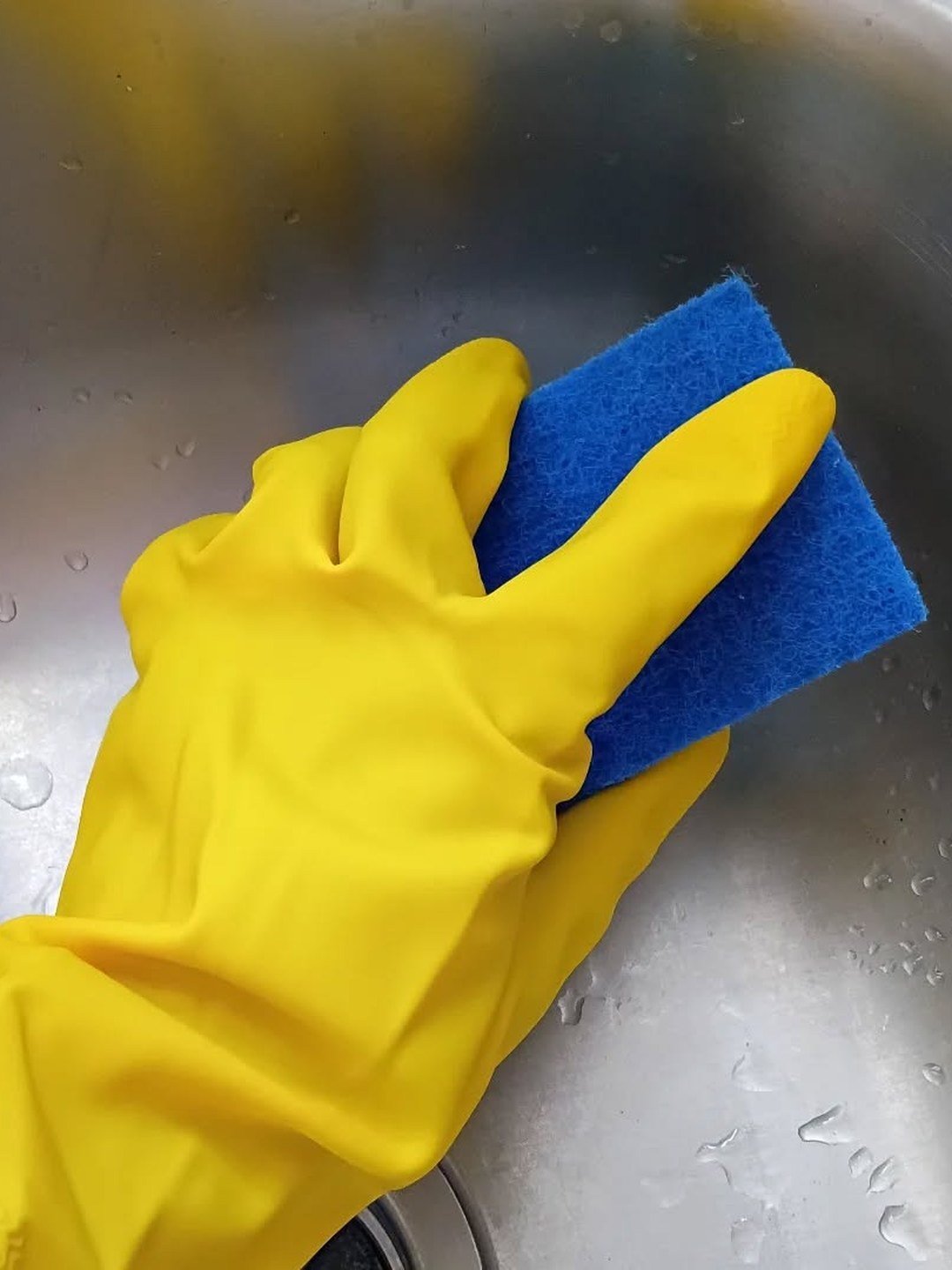
Water is the quiet villain of winter nail care. Nails soak up water and swell, then shrink back as they dry, and that endless swelling and shrinking is what splits tips and lifts polish. A pair of rubber gloves for dishes, cleaning and laundry keeps your nails out of the water completely. Choose gloves with a soft lining or wear thin cotton gloves underneath if your hands sweat.
Best for: Anyone who washes dishes by hand or cleans without gloves.
Try this: Buy two pairs, one at the sink and one under it, so a wet pair never becomes your excuse.
7. Cream Again Right After Every Wash

Every wash takes a little of your natural oil away with it, soap or no soap. Creaming within a minute of drying your hands, while the skin is still very slightly damp, locks that water in instead of letting it evaporate and leave skin tighter than before. It takes ten seconds and it is the single habit that separates soft winter hands from sore ones. Keep a tube at every sink you use, kitchen and bathroom alike.
Best for: Hands washed many times a day, carers, cooks and keen gardeners.
Try this: Stand the tube in front of the taps, not in a drawer, so your eyes remind you.
8. File Gently, in One Direction

Sawing a file back and forth frays the nail edge and starts the very peels you are trying to prevent. Long, light strokes in one direction keep the edge smooth and sealed. Use a fine file, work on dry nails only, and never file straight after a soak when nails are soft and easily torn. Two minutes once a week is all the filing most nails ever need.
Best for: Tips that peel in layers or keep catching on fabric.
Try this: Finish with one soft stroke under the tip to lift away any loose fibres.
9. Keep Them Short and Softly Rounded

Length is leverage. Every extra bit of nail gives a knock on a car door or a keyboard more power to snap the tip clean off. A shorter, softly rounded shape follows the curve of your fingertip and survives gloves, typing, cooking and housework far better than a long square edge. Short does not mean stubby. Just past the fingertip, with the corners softened, looks neat and grows out gracefully.
Best for: Nails that break at the same corner again and again.
Try this: Take them a little shorter than feels brave, then let them grow slowly once spring arrives.
10. Seal Bare Nails With a Strengthener Coat

On days with no polish, one clear strengthener coat works like a gentle splint, holding weak tips together while the stronger part of the nail grows through. Look for a kind, gentle formula made for brittle nails, and reapply a thin coat every second day rather than reaching for harsh removers. The soft natural shine also makes bare nails look cared for, which helps you leave them alone.
Best for: Thin nails that bend, peel or feel sore after polish comes off.
Try this: Paint the tip edge first, wrapping the coat slightly under the free edge for extra hold.
11. Give Them a Polish Free Rest Week
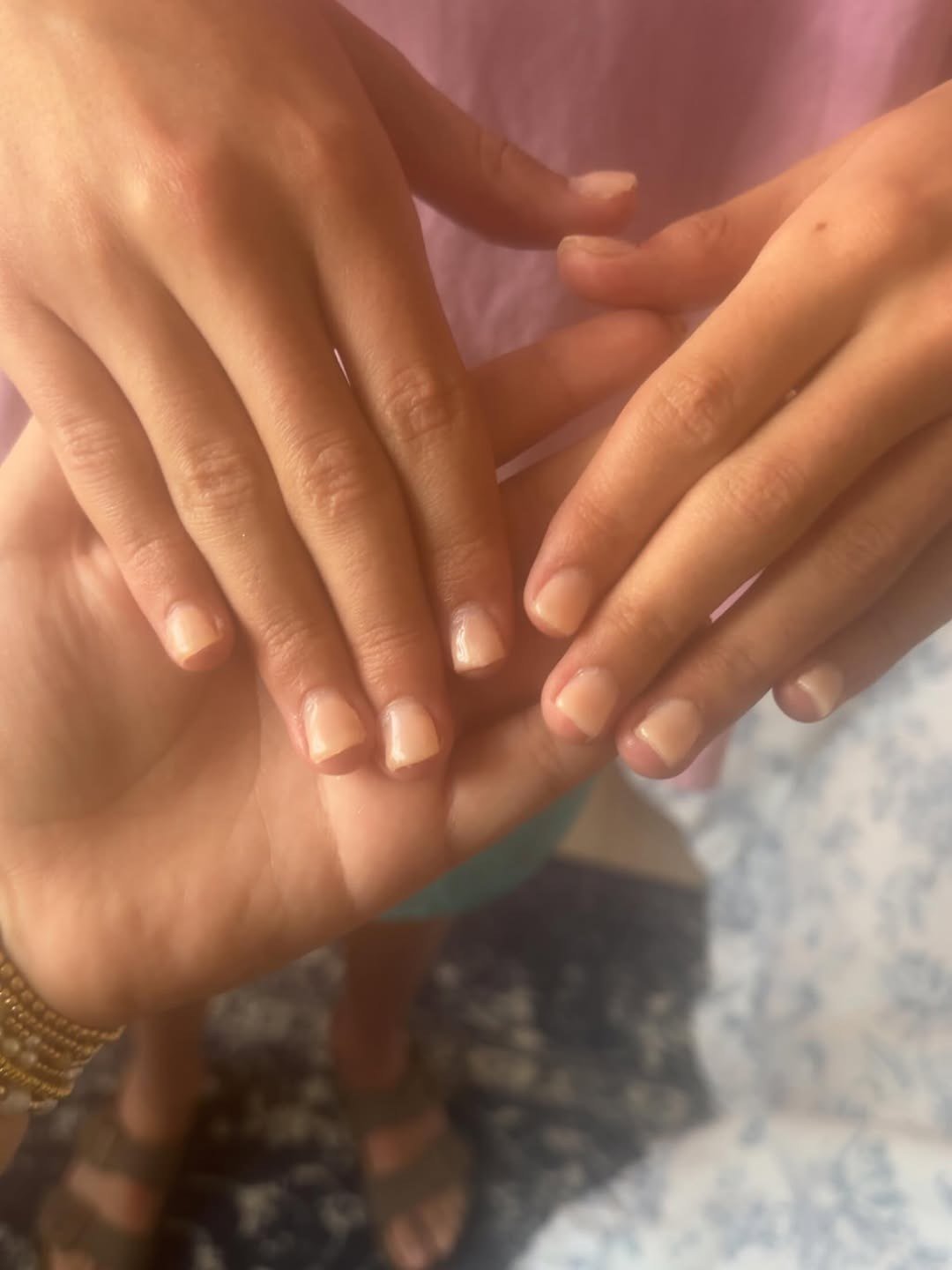
Once or twice a winter, give your nails a full week with nothing on them but oil and cream. A rest week lets moisture back into the nail plate and lets you see your nails honestly, without colour hiding every split and ridge. Many women find their nails feel harder by day seven simply because they stopped drying them out. Keep nails short during the rest week so bare still looks tidy and intentional.
Best for: Nails recovering from gels, extensions or a long run of dark polish.
Try this: Book the rest week for a quiet diary week, and oil morning and night without fail.
A Gentle Weekly Routine
- Monday: file and shape after a shower, when nails are soft, then oil well.
- Wednesday: warm soak for five minutes, ease cuticles back, cream well and sleep in cotton gloves.
- Friday: check every tip and smooth any rough edge before it catches and tears.
- Every day: oil morning and night, cream after every wash, gloves for every wet chore.
- Sunday: a strengthener coat on clean bare nails, or a full polish free rest day.
Frequently Asked Questions
Why do my nails get so brittle in winter?
Cold air holds very little moisture and indoor heating dries the air further, so nails slowly lose water and turn stiff. A stiff nail cannot flex when it knocks against something, so it cracks or snaps instead. Oil and rich cream replace that lost moisture from the outside, which is why daily habits beat any single treatment.
How long does winter nail care take to work?
Cuticles usually feel softer within a few days of daily oil, but the nail itself takes longer. Nails grow roughly three millimetres a month, so the stronger, better cared for part needs four to six weeks to reach the tip. Judge any new routine after a month, not after a weekend.
Can I use olive oil or coconut oil from the kitchen?
Yes, both help in a pinch and both are kind to skin. Warm a tiny amount between your fingers and massage it in just like a nail oil. A made for nails oil soaks in faster and feels less greasy, and oils built around jojoba sit closest to the oil your own skin makes, but the best oil is always the one you will actually use twice a day.
Should I cut my cuticles to keep them tidy?
It is kinder not to. The cuticle seals the small gap where the nail grows out, and cutting it opens that seal to water and germs, which can leave the whole nail sore and slow growing. Soak, ease the cuticle back gently with a soft towel, and oil it daily, and it will sit flatter and neater on its own.
Is hot water really that bad for nails?
Hot water with soap strips natural oils from skin and nails much faster than warm water does, and long soaks leave the nail plate soft and easily bent for hours. Keep hand washing warm and brief, do dishes in gloves, and save the long hot soak for your shoulders in the bath, not for your hands.
What if a nail splits low down and it hurts?
File the edge smooth so it cannot catch, keep the nail short and oiled, and protect it with a strengthener coat while it grows out. If the split reaches the skin and throbs, bleeds, or the finger looks red and swollen, see a doctor instead of treating it at home.
Final Thoughts on Winter Nail Care
Winter nail care is not one miracle product. It is oil twice a day, cream after every wash, gloves doing quiet guard duty and a shorter, softer shape that can survive the season. None of it takes more than a few minutes, and all of it adds up every single week.
Start tonight with oil and gloves, add the weekly soak and file on Sunday, and let your nails grow through the cold months calmly. By the time spring polish comes out again, you will be painting on nails that are stronger, smoother and far less brittle than the ones you started with.