






This post may contain affiliate links. Please read my disclosure policy.
In This Article Show
Winter is the season when hair over fifty seems to argue back. You step out of the house with it sitting nicely, and by the time the hat comes off there is static, flat roots and ends that feel like straw. Good winter hair care after 50 is not about buying more products. It is about stopping the quiet daily damage that cold air, hot showers and rough hat linings do without you noticing.
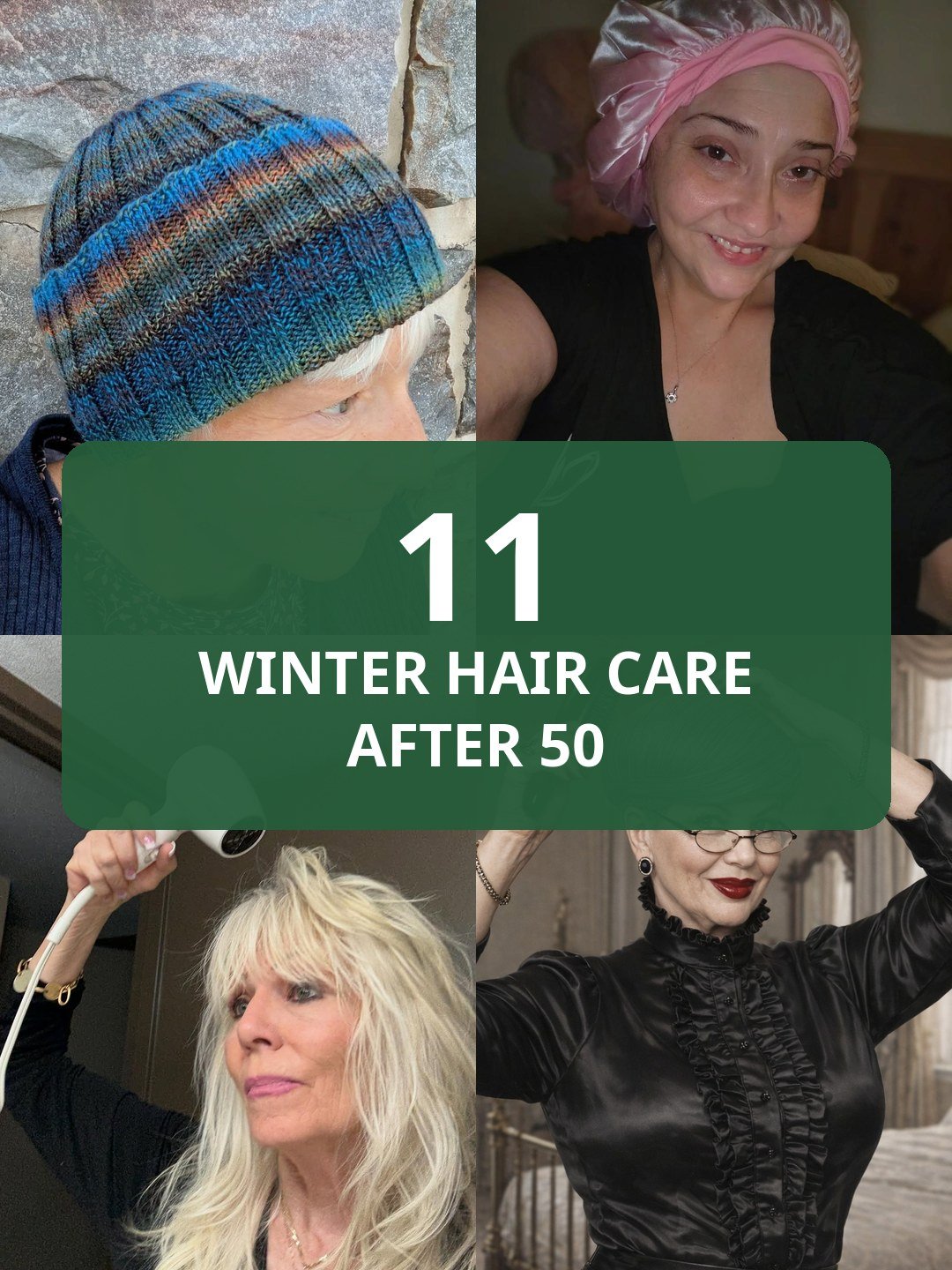
Every photo in this guide shows a real woman over fifty caring for her own hair at home or at the salon, so you can see each fix in real life instead of on a product page. None of these fixes needs a full routine overhaul. Most take under five minutes, and a few are simple swaps you make once and then forget about.
Below are eleven simple fixes that cover the whole winter story, from the hat you pull on in the morning to the bonnet you sleep in at night. Work through them in order, or jump straight to the one that matches your biggest winter complaint.
Short on time? Start with the quick picks, then read the calm winter routine that ties all eleven fixes together into one easy week.
Quick Picks
- Best leave in: It’s a 10 Miracle Leave In Product, one light spray that detangles, calms static and guards hair before the dryer
- Best weekly mask: SheaMoisture Intensive Hydration Hair Masque, a rich deep condition with manuka honey for ends that feel like straw
- Best night protection: Kitsch XL Satin Bonnet for Sleeping, smooth satin that keeps moisture in your hair instead of your pillow
The Calm Winter Routine
- On wash day, use lukewarm water, keep conditioner on the ends, and add leave in before any heat touches your hair.
- Once a week, give your hair the deep condition for a full twenty minutes while you relax with a cup of tea.
- Every morning, smooth two drops of oil over the top layer only if static appears, never as a daily habit on fine hair.
- Every night, brush gently for a minute, then sleep in a satin bonnet so the work of the day is not rubbed away.
- Every eight to ten weeks, book a small trim, because winter ends split faster than they grow.
1. Swap Rough Wool for a Silk Lined Hat
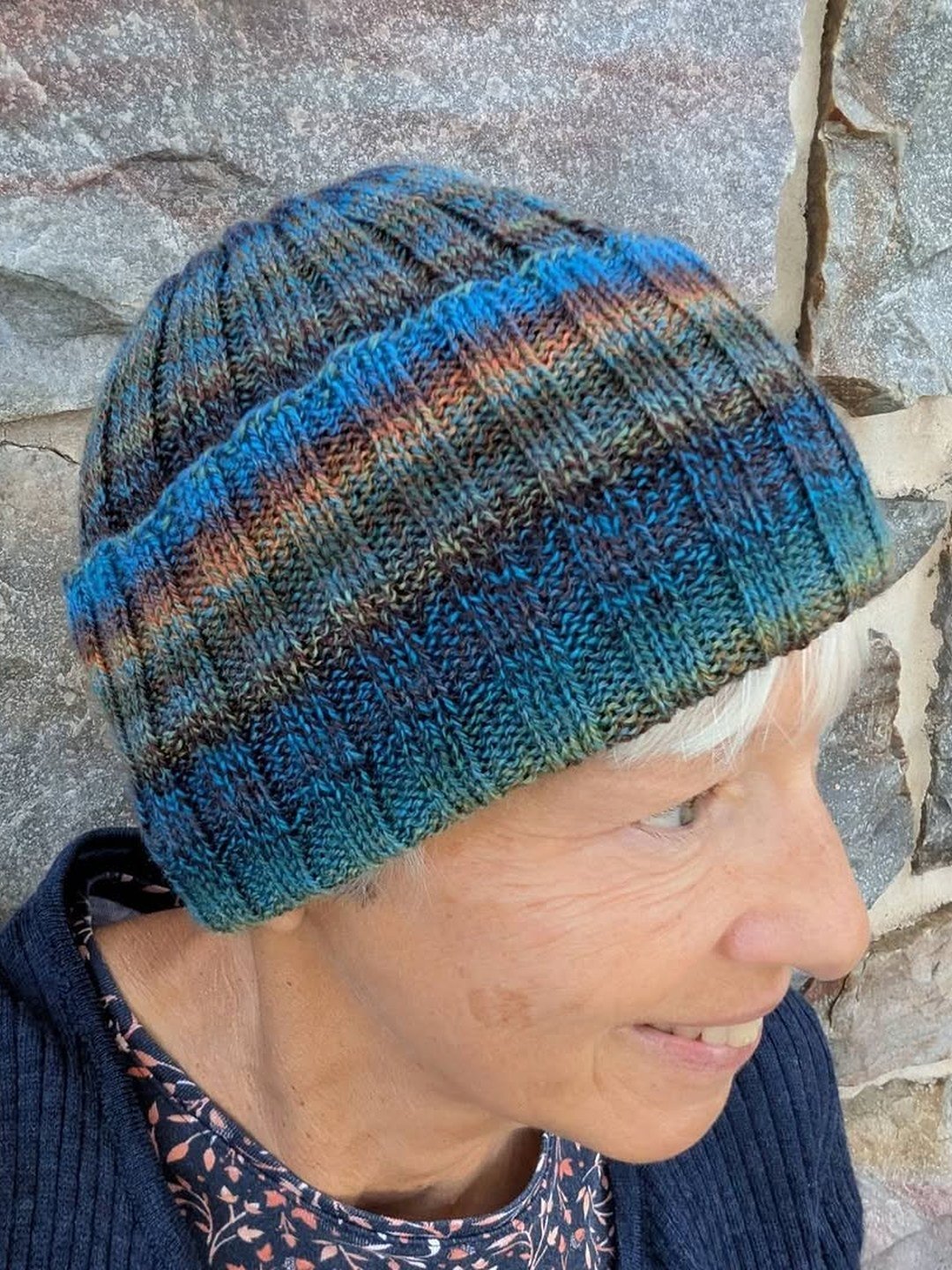
A winter hat should protect your hair, not sand it down. Plain wool and cotton linings grip each strand and rub moisture out all day, which is why hat hair so often comes with dry, puffy ends. A hat with a smooth silk or satin lining lets hair glide instead of grind, so the style underneath survives the school run, the shops and the dog walk. This blue knitted hat shows the shape to look for, warm on the outside and gentle where it actually touches your hair.
Best for: Anyone whose hair feels dry and rough after every hat day, and women who wear a hat daily in cold months.
Try this: Choose a knit hat with a satin lining, or slide a thin satin cap under the wool hat you already own and love.
2. Calm Static With Two Drops of Oil

Static happens when winter air pulls all the moisture out of fine strands, and dry hair lifts, clings and floats in every direction. The fix is not more brushing, which only charges it up again. A tiny amount of oil smoothed over the surface gives strands just enough weight and slip to settle back down, one drop worked through the lengths in seconds, as this photo shows. The key word is tiny. Too much oil and fine hair looks flat and lank instead of calm.
Best for: Fine and flyaway hair that floats up the moment a hat or scarf comes off.
Try this: Warm two drops of a light hair oil between your palms and press them gently over the top layer, keeping away from the roots.
3. Give Dry Ends a Weekly Deep Condition

Normal conditioner rinses away in two minutes, but winter ends need a longer drink than that. Once a week, a deep conditioning mask left on for twenty minutes can reach the dryness that daily care misses, especially on the older, thirstier ends of long hair. Make it a small ritual rather than a chore, mask on, towel over the shoulders, feet up, like the slow morning in this photo. Hair that gets this weekly reset brushes easier, shines more and snaps far less when you style it.
Best for: Long hair, color treated hair and anyone whose ends feel crisp by January.
Try this: Apply the mask to clean damp hair, keep it off the scalp, and let it sit the full twenty minutes before rinsing cool.
4. Wash With Lukewarm Water, Never Hot

A steaming hot shower feels wonderful on a cold morning, but it is one of the biggest winter hair thieves. Very hot water strips away the natural oils that mature hair already makes too little of, and it leaves both scalp and ends drier than before you stepped in. Lukewarm water cleans just as well when you give your shampoo a full minute to work, and your hair keeps the little moisture it has. Try it for two weeks and most women feel the difference in softness before they see it.
Best for: Anyone with a dry, tight or flaky scalp in winter, and women who love a long hot shower.
Try this: Turn the water down for the hair wash only, then enjoy your warm shower after your hair is wrapped in a towel.
5. Make Leave In a Daily Habit

Rinse out conditioner stops working the moment it goes down the drain, and winter hair needs help that stays. A leave in conditioner or cream worked through damp hair keeps moisture locked in all day, softens the rough feel of silver strands and makes brushing gentler. Think of it as a coat for your hair, put on before the cold gets a chance. A small amount through the mid lengths and ends is enough, as shown here right after washing, while hair is still wet and most willing to drink it in.
Best for: Silver and gray hair that feels wiry, and anyone whose hair dries out again by evening.
Try this: Spray or smooth leave in through damp hair after every wash, then comb it through slowly with your fingers first.
6. Turn the Dryer Heat Down a Notch

Blasting wet hair on the hottest setting boils the water inside each strand, and after fifty those strands are finer and slower to forgive. You do not have to give up the dryer or face a cold wet head in January. Simply dropping to the medium heat setting and keeping the dryer moving makes a real difference, and most dryers do the same job in almost the same time. This at home photo is the healthy version of the habit, a small dryer, a relaxed hand and no scorched ends.
Best for: Anyone who blow dries more than twice a week, and fine hair that breaks near the front.
Try this: Use medium heat, hold the dryer a hand span away from your head, and stop while hair still feels very slightly cool.
7. Put Moisture Back Into the Room

Heating does not only dry your skin. It pulls moisture out of the air for hours every day, and your hair gives up its own moisture to that dry air all evening long. A small humidifier running in the room where you sit or sleep quietly gives some of that moisture back, and hair that keeps its moisture stays glossy instead of dull and brittle. You can see the result in hair like this, soft, shiny and calm indoors in the middle of winter. It is the one fix on this list that works while you do nothing at all.
Best for: Anyone whose home heating runs all day, and women who wake with dry hair and dry skin together.
Try this: Run a small humidifier near your bed or your favorite chair, and clean it weekly so it stays fresh.
8. Keep a Gentle Trim Rhythm

Winter is hard on ends. Scarves, coat collars and dry air fray them, and a split end left alone keeps splitting upward until far more length has to come off. Small regular trims stop that story early. You are not chasing a new style here, just keeping the line clean and the ends solid, the way this fresh salon trim sits neat and full. Every eight to ten weeks is a kind rhythm for most women, and it makes every other fix on this list work better, because healthy ends hold moisture instead of leaking it.
Best for: Anyone growing their hair who fears the scissors, and ends that tangle within an hour of brushing.
Try this: Ask for a dusting, just the frayed tips, and book the next appointment before you leave the salon.
9. Brush Slowly, and Only on Dry Hair

Wet hair stretches and snaps under a brush, and winter hair has less stretch to spare. Brushing gently once hair is dry, with a brush that has smooth flexible bristles, spreads natural oils from root to end and wakes up the shine without tearing. Work in small sections and start near the ends, the way this calm brushing moment shows, a wooden brush moving slowly instead of ripping through. One slow minute morning and night beats ten rough minutes once a week, and your brush will tell the truth, fewer broken hairs left behind in it.
Best for: Tender scalps, thinning hair and anyone who hears snapping sounds when they brush.
Try this: Detangle the last few inches first with your fingers, then brush in sections from the ends upward.
10. Care for the Scalp Underneath
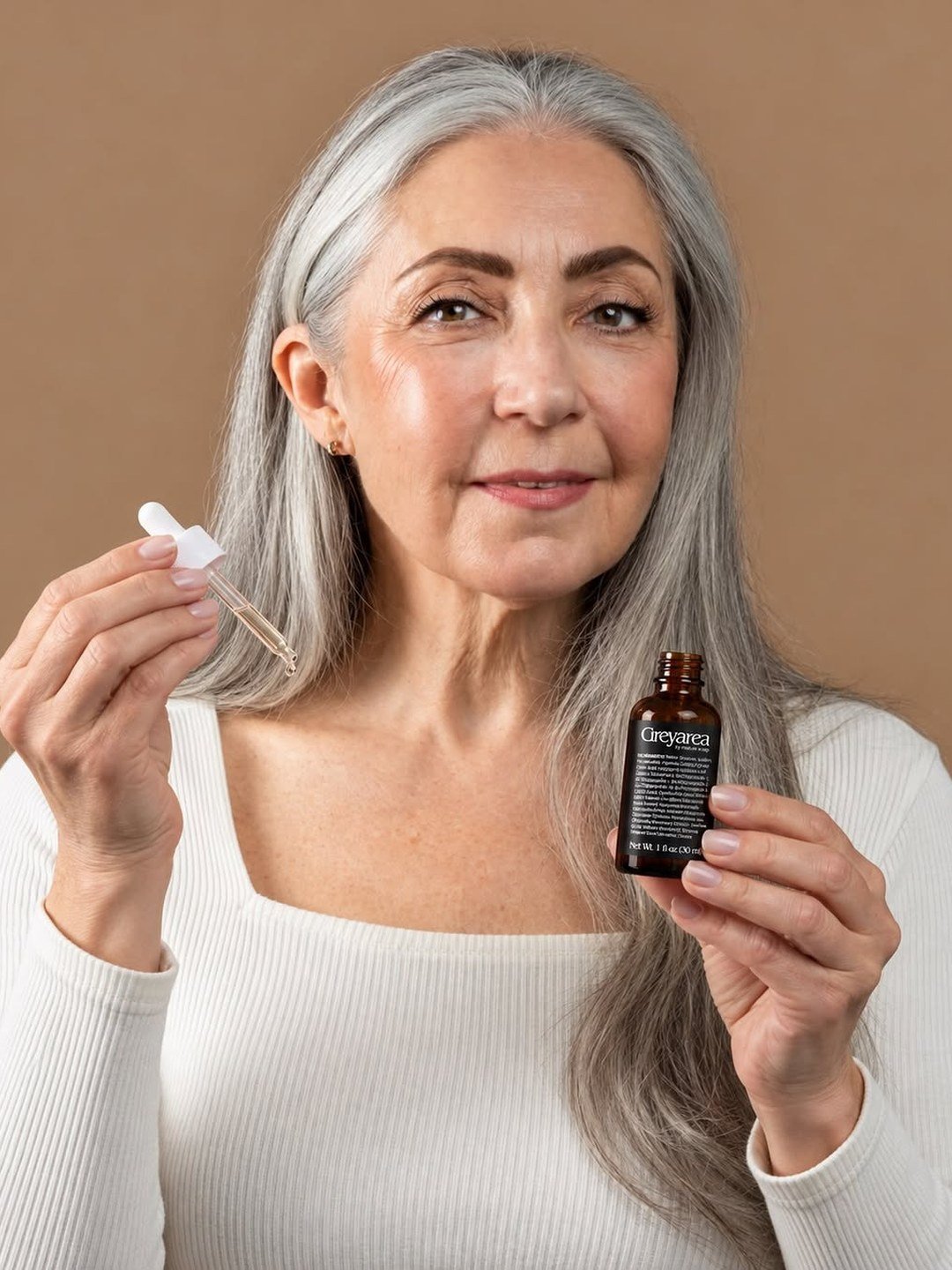
Healthy winter hair starts with the skin it grows from, and scalps get dry, tight and flaky in cold months just like the skin on your hands. A light scalp serum or a few drops of oil worked along the part and massaged in with fingertips keeps that skin comfortable and gives new hair a better start. Keep the touch gentle, small circles, no nails, as part of your evening routine once or twice a week. A calm scalp also means less of the itch that makes you scratch and break hair at the root.
Best for: Dry, flaky or itchy winter scalps, and anyone whose hair feels thinner at the part.
Try this: Apply serum along your part in sections, massage for one full minute, and leave it in overnight.
11. Protect Your Hair While You Sleep

Eight hours of tossing on a cotton pillowcase is a long friction session for dry winter hair. Cotton also drinks the moisture and the leave in you so carefully applied, so you wake to frizz, tangles and ends that feel drier than when you went to bed. A satin bonnet, like this cheerful pink one, lets hair glide as you move and keeps your products on your hair where they belong. If a bonnet feels like too much, a satin pillowcase gives most of the same kindness with no new habit at all.
Best for: Anyone who wakes with tangles and frizz, and women wearing their hair long at night.
Try this: Brush gently, add a pea sized touch of leave in to the ends, then pop the bonnet on before bed.
Frequently Asked Questions
Why does my hair get so much static in winter?
Cold outside air and heated indoor air both hold very little moisture, so your hair gives up its own moisture and becomes light, dry and full of static charge. Fine hair after fifty charges even faster. The quickest fixes are two drops of oil pressed over the top layer, a satin lined hat outdoors, and a humidifier in the room where you spend your evenings.
How often should I wash my hair in winter after 50?
Most women over fifty do well with two or three washes a week in winter, since mature scalps make less oil and every wash removes some of it. If your scalp feels fine, stretch one more day with a gentle brush and a little dry shampoo at the roots. When you do wash, keep the water lukewarm and always follow with conditioner on the ends.
Can I wear a hat every day without ruining my hair?
Yes, as long as the inside of the hat is kind. A silk or satin lining stops the rubbing that causes dry ends and most hat hair, and a loose fit avoids flat, crushed roots. Give hair a quick shake and a finger comb when the hat comes off, and save your firmest styling for days when the hat stays home.
What is the best oil for dry ends after 50?
Light oils suit mature hair best, because heavy oils can weigh fine strands down and make them look lank. Argan and jojoba are the two easiest to live with. Use two drops at most, warmed between your palms and pressed onto the ends and the top layer only, and keep oil away from the roots unless it is a scalp treatment night.
Does a humidifier really help hair?
It does, quietly and slowly. Heated rooms can pull moisture from hair for sixteen hours a day, and a humidifier puts some of that moisture back into the air so your hair stops donating its own. Most women notice softer hair and calmer skin after about a week of sleeping with one running nearby.
How do I stop my ends from feeling like straw?
Straw like ends are usually a pile up of small habits rather than one big problem. Trim the frayed tips first, then add the weekly deep condition, leave in after every wash and lukewarm water only. Give that simple routine three to four weeks. Ends that still feel rough after a trim and a month of care are asking for a little more length off at the salon.
Final Thoughts on Winter Hair Care After 50
Winter hair care after 50 is mostly a kindness project. A lined hat instead of a rough one, warm water instead of hot, a weekly mask and a satin bonnet at night. None of it is fancy, and all of it adds up to hair that stays soft, calm and glossy while the weather does its worst.
Pick the two fixes that match your biggest complaints and start there this week. When those feel easy, add the next one. By the middle of winter your routine will run itself, and your hair will look like it never got the memo about the season at all.